In industrial settings, safety is paramount. One essential tool that plays a critical role in maintaining safety during maintenance and repair operations is the valve lockout device. These devices are designed to prevent the accidental opening of valves, which could lead to hazardous spills, leaks, explosions, or other dangerous incidents. This article delves into the importance of valve lockout devices, their functionality, types, and best practices for usage.
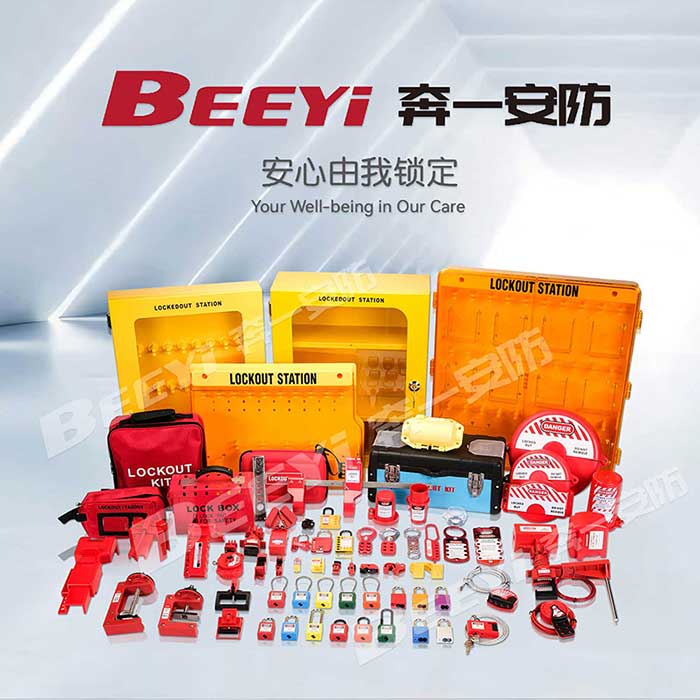
Importance of Valve Lockout Devices Valve lockout devices are crucial for several reasons. Primarily, they help ensure the safety of workers who are performing maintenance tasks on systems that handle gases, liquids, chemicals, or other potentially hazardous materials. When a valve is locked, it cannot be accidentally opened by unauthorized personnel, significantly reducing the risk of accidents. In environments where heavy machinery or potentially lethal substances are involved, such precautions can save lives. Moreover, many regulatory bodies around the world, such as OSHA (Occupational Safety and Health Administration) in the United States, mandate certain safety procedures when working with pressurized systems. These regulations emphasize the need for lockout/tagout (LOTO) procedures, which include the use of valve lockout devices to secure equipment during maintenance. Compliance with these regulations not only enhances safety but also helps organizations avoid potential legal issues and financial penalties.