Relays are essential components in modern electrical circuits, acting as electronic switches to control a variety of electrical devices. One of the critical factors in selecting the appropriate relay for a given application is its current rating. Understanding relay current ratings ensures that the relay can reliably control the intended load without failure, thereby improving the safety and longevity of the system. This article aims to provide a comprehensive overview of relay current ratings and the key considerations when selecting relays for different applications.
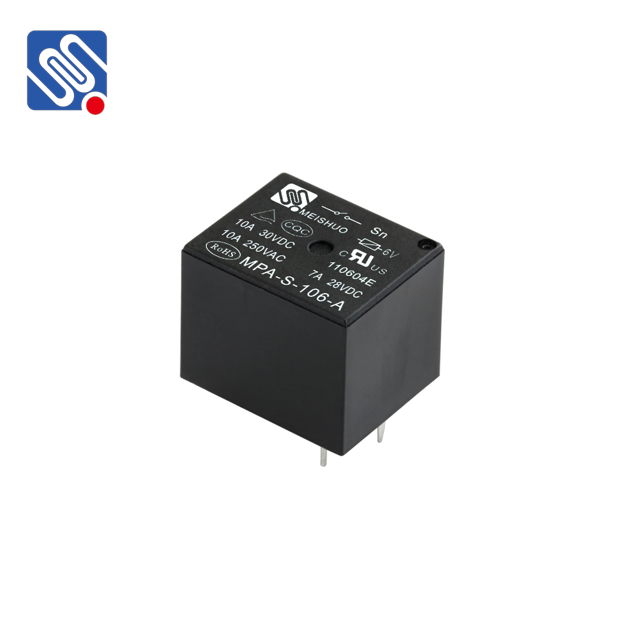
What is Relay Current Rating? The relay current rating refers to the maximum amount of electrical current that can safely pass through the contacts of the relay without causing damage. It is an important specification that defines how much current the relay’s contacts can handle under specific conditions, both in terms of continuous operation and switching events. The current rating of a relay typically varies based on the type of load it controls, the voltage level, and the environmental conditions. Relays are designed to switch electrical loads in a wide variety of applications, such as lighting systems, motor control circuits, and heating elements. Each application may have different current demands, which must be matched with the appropriate relay rating to ensure reliable performance.