Water solenoid valves are integral components in numerous automated systems where precise control of water flow is essential. These valves operate through the use of electromagnetic coils, offering quick, reliable control for both residential and industrial applications. From irrigation systems to home appliances, water solenoid valves help regulate the flow of water, ensuring efficiency and ease of operation. In this article, we will explore the working principle, applications, benefits, and maintenance of water solenoid valves.
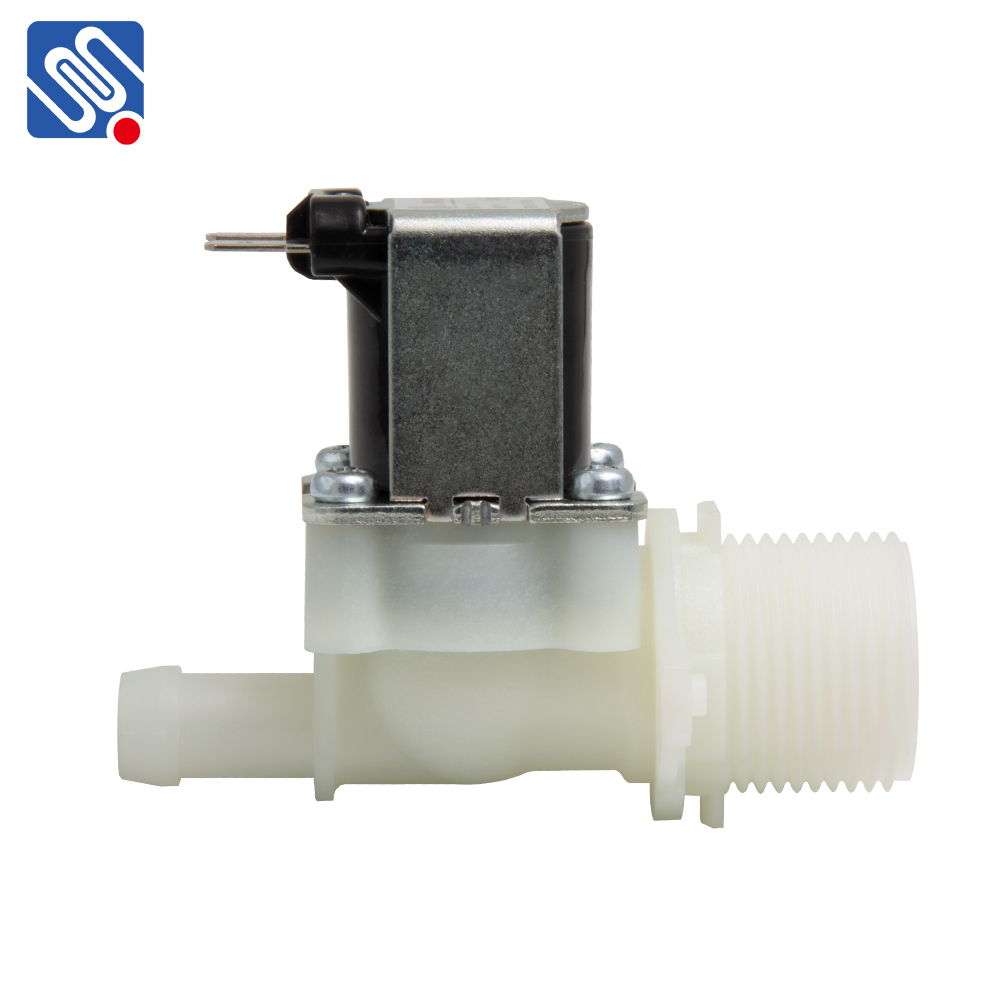
Working Principle of Water Solenoid Valves A water solenoid valve operates using an electromagnetic solenoid to control the opening and closing of a valve. When an electric current is passed through the solenoid coil, it generates a magnetic field that attracts a plunger or valve stem, which either opens or closes the valve, depending on the design. When the current is switched off, the magnetic field disappears, and the spring mechanism (if present) returns the valve to its default position. There are two primary types of solenoid valves: Normally Closed (NC): The valve remains closed when no power is applied. When the solenoid is energized, it opens the valve.