In the realm of electrical systems, ensuring safety is a paramount concern. One of the critical components designed to protect both electrical equipment and individuals from the dangers of leakage currents is the Leakage Current Relay (LCR). This device plays a vital role in detecting and preventing potentially hazardous situations that may arise due to leakage currents in electrical circuits. This article explores the functions, working principles, applications, and advantages of the Leakage Current Relay, emphasizing its importance in maintaining electrical safety.
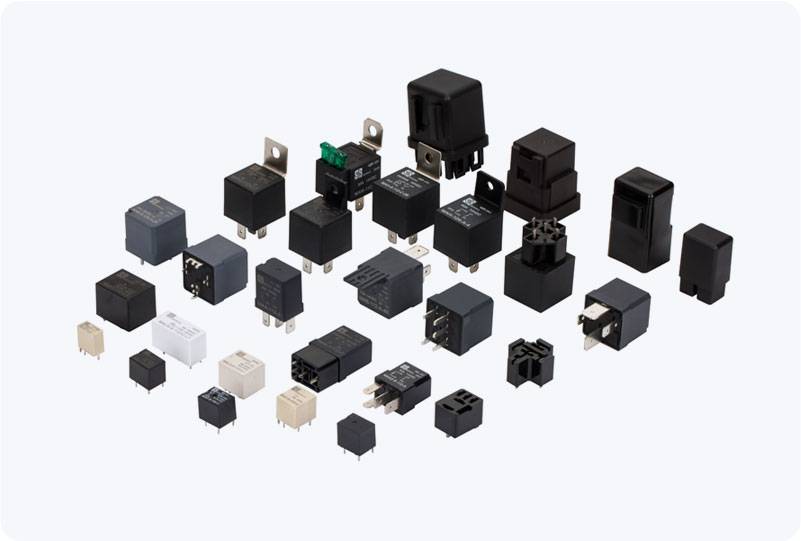
What is a Leakage Current Relay? A Leakage Current Relay is an electrical protective device used to detect leakage currents in a circuit. It monitors the difference between the current flowing through the live conductors (typically the phase or active conductors) and the neutral conductor. When a leakage current occurs, such as when an electrical fault allows current to flow to the ground, the relay detects this imbalance and activates a circuit breaker to disconnect the power. This action effectively protects both equipment and personnel from potential electric shocks or fires caused by leakage.