Relay assembly plays a crucial role in the functionality and reliability of electrical systems. A relay is an electrical switch that uses an electromagnet to control the opening and closing of circuits. These components are integral in numerous applications, including automation, control systems, and electrical protection. The process of relay assembly ensures that these devices function optimally, meeting specific operational standards. This article will delve into the steps involved in relay assembly, the importance of each stage, and how these devices contribute to efficient circuit control.
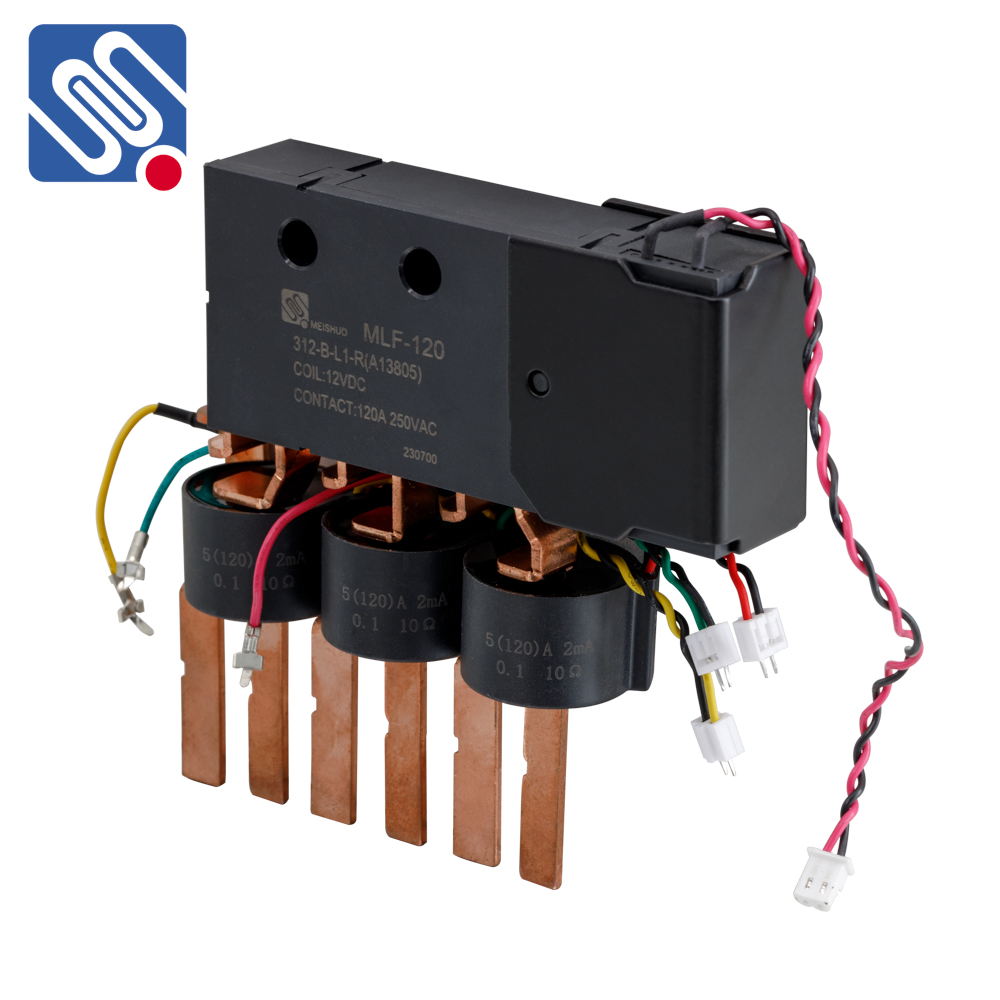
What is a Relay? Before discussing the assembly process, it is important to understand what a relay is. A relay consists of an electromagnetic coil, a set of contacts, and a housing. When an electrical current flows through the coil, it generates a magnetic field that pulls a set of contacts together or apart, depending on the design of the relay. This allows the relay to either open or close a circuit, enabling the control of higher power circuits with lower power signals. Relays are used in a variety of applications such as controlling motors, switching lights on or off, or protecting electrical systems from overloads.