Relay wiring is a fundamental concept in electrical engineering, widely used in automation systems, industrial machinery, and everyday electrical appliances. A relay is an electrically operated switch that allows one circuit to control another, often involving higher voltages or currents. Understanding how to wire a relay properly is essential for anyone working with electrical circuits. This article aims to provide a comprehensive guide on relay wiring, its components, and how to use it effectively in various applications.
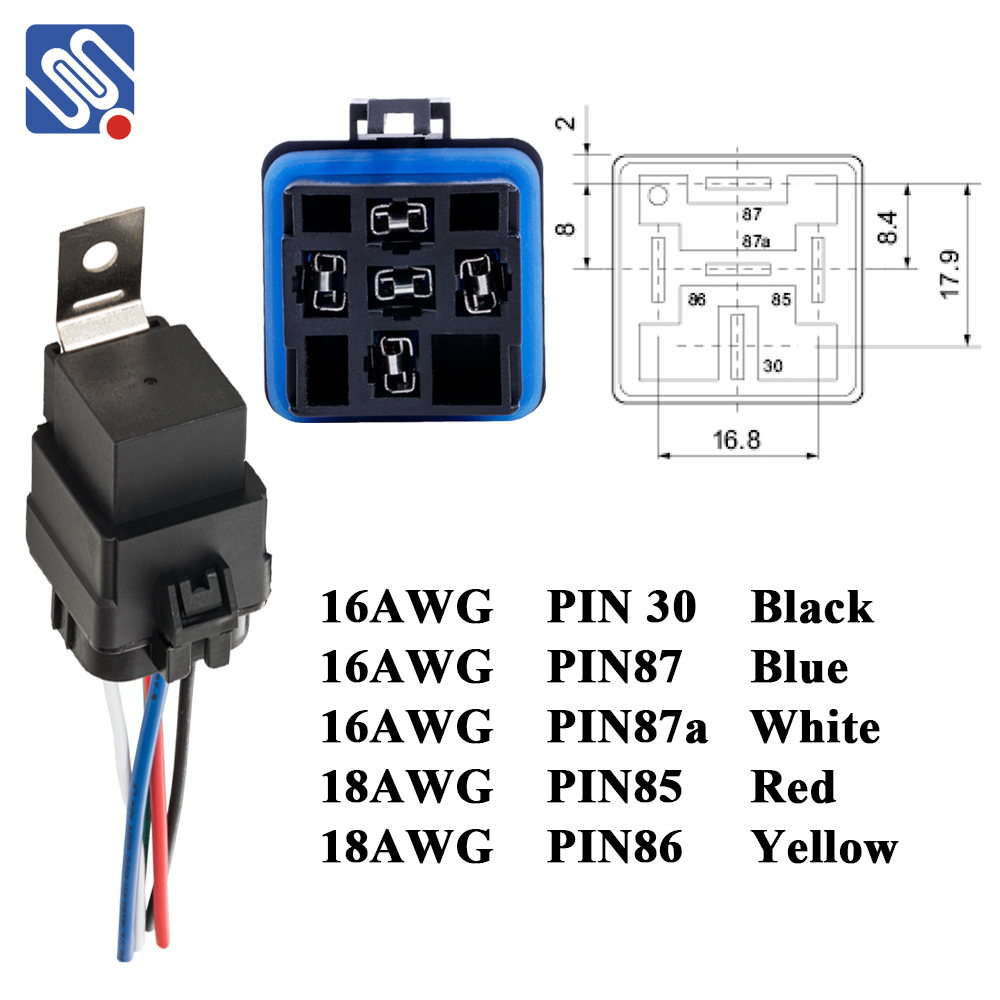
What is a Relay? At its core, a relay is an electromagnetic switch that uses an electrical signal to open or close a separate electrical circuit. It consists of a coil, contacts, and an actuator mechanism. When current flows through the coil, it generates a magnetic field, causing the contacts to move and change the state of the circuit. Relays are essential in applications where you need to control high-power devices with a low-power signal. Components of a Relay To understand relay wiring, it’s important to familiarize oneself with the basic components of a relay: Coil: This is the electromagnet inside the relay. When current passes through the coil, it creates a magnetic field that moves the relay’s contacts.