Relay assemblies play a crucial role in various electrical and electronic systems by enabling the remote control and protection of circuits. As vital components in automation, power systems, and electronic devices, they ensure that circuits operate efficiently, safely, and effectively. This article delves into the essential aspects of relay assemblies, covering their components, working principles, and applications.
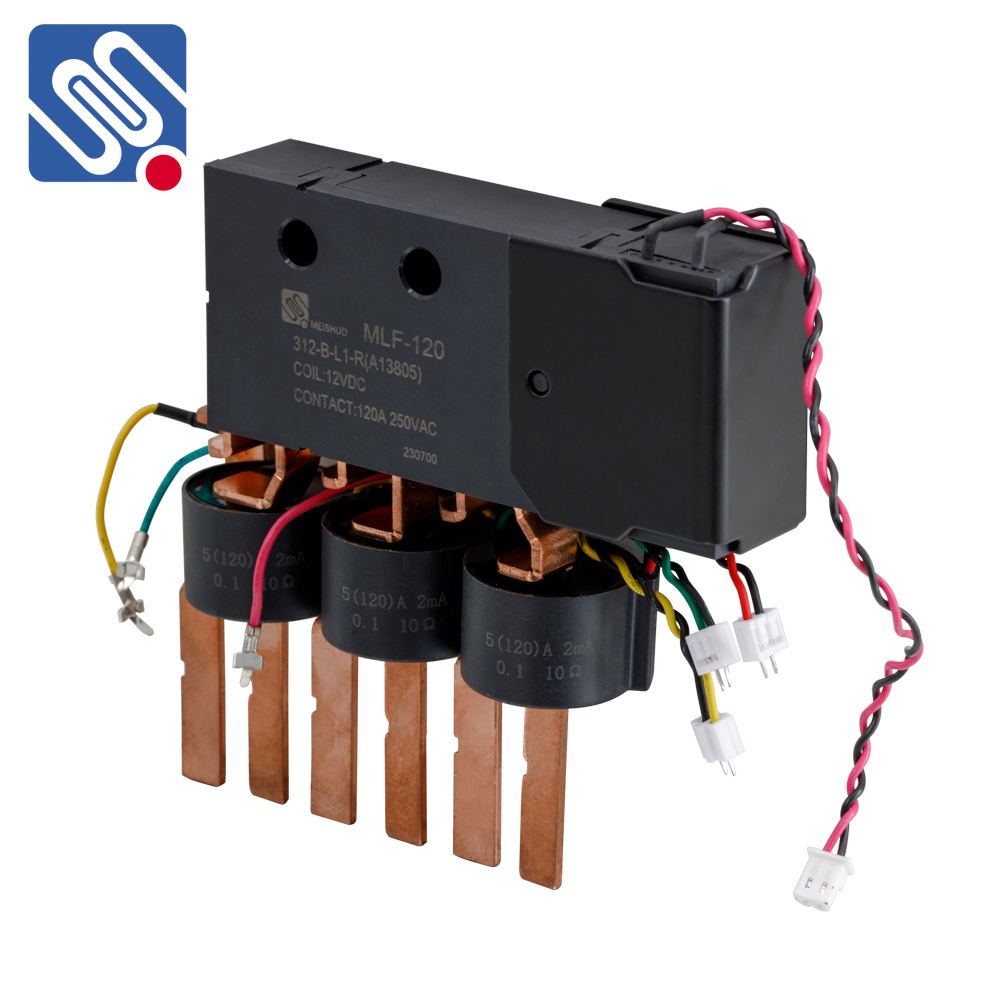
What is Relay Assembly? A relay assembly refers to a collection of components designed around a relay, which is an electromechanical device used to control the switching of electrical circuits. The relay itself is a simple device that allows a low voltage signal to control a high voltage circuit. The relay assembly includes the relay, its housing or base, connecting wires, and other components such as protection devices or control circuits. Together, these parts form a unit that can automate or remotely control electrical systems. Key Components of Relay Assembly Relay: The core of the assembly, the relay is composed of an electromagnetic coil, contacts, and a mechanical switch. When the relay’s coil is energized, it creates a magnetic field that pulls the switch to either open or close a circuit. There are different types of relays, such as electromechanical relays (EMRs), solid-state relays (SSRs), and thermal relays, each suited for specific applications.