A PVC Solenoid Valve is a crucial component in modern fluid control systems, widely utilized in various industries due to its durability, ease of use, and resistance to corrosion. Whether it’s in water treatment, agricultural irrigation, or chemical processing, PVC solenoid valves provide an efficient, cost-effective solution to regulate the flow of liquids and gases. In this article, we will explore the features, applications, and benefits of PVC solenoid valves, shedding light on why they are a preferred choice for many fluid control applications.
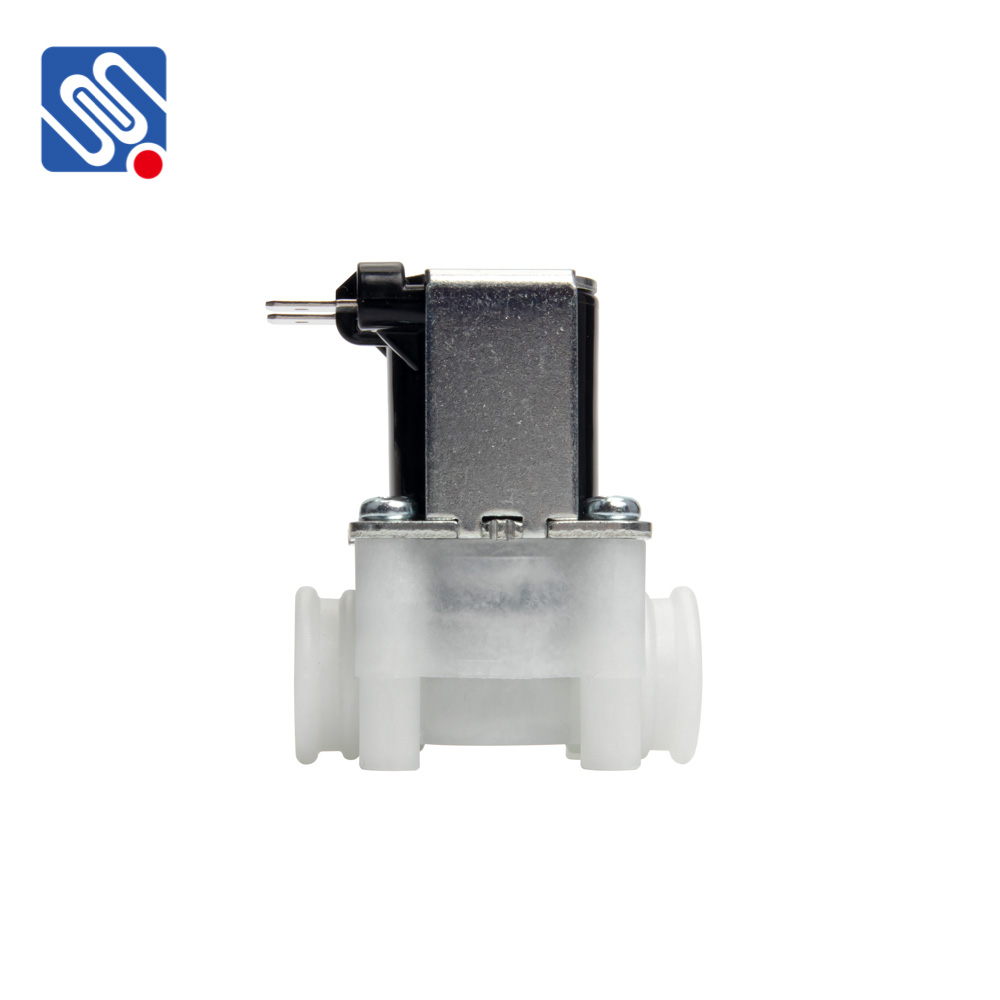
What is a PVC Solenoid Valve? A PVC solenoid valve consists of a valve body made from Polyvinyl Chloride (PVC), a type of plastic known for its strength and chemical resistance. The valve is activated by an electrical signal sent to a solenoid, which is an electromagnet that opens or closes the valve, controlling the flow of the fluid through the system. Solenoid valves come in various sizes and configurations, including direct-acting and pilot-operated models, to suit different types of fluid systems and operational needs. The PVC material used for the valve body gives it superior resistance to corrosion, making it ideal for applications that involve harsh chemicals or environments that would otherwise degrade metal valves. PVC is also lightweight, cost-effective, and relatively easy to maintain, all of which make it a popular choice in both industrial and residential applications.