A 24VDC Power Relay is a widely used electrical device that plays a crucial role in controlling the switching of electrical circuits, especially in automation and industrial applications. It operates using a 24-volt direct current (DC) input and helps in isolating different sections of an electrical system, thus ensuring safety and efficient control. This article provides a comprehensive overview of the 24VDC power relay, its working principle, applications, benefits, and important factors to consider when selecting one for a specific application.
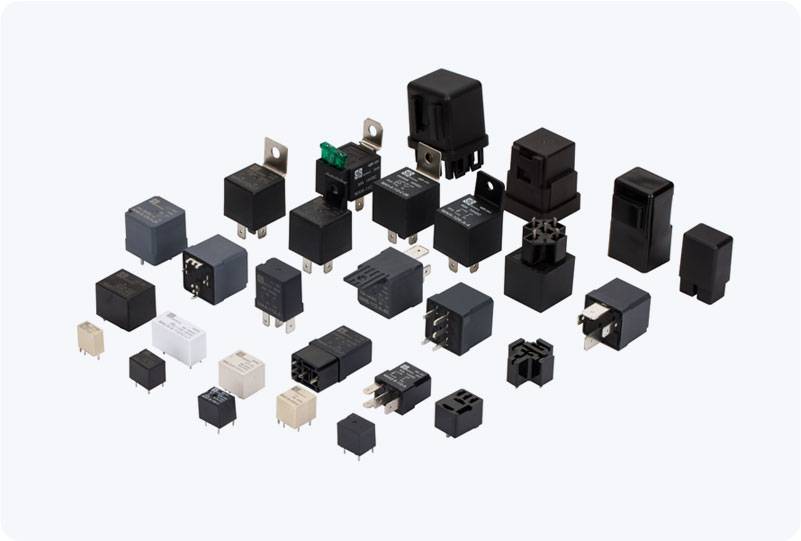
What is a 24VDC Power Relay? A Power Relay is an electrically operated switch that allows a low-power control signal to control a high-power electrical circuit. The 24VDC Power Relay operates specifically on a 24V direct current supply. When an electrical current is supplied to the coil of the relay, it generates a magnetic field that either opens or closes the contacts inside the relay. These contacts, in turn, control the flow of electricity in an external circuit, allowing the relay to function as a switch. The primary purpose of a power relay is to manage the switching of larger loads or high-voltage devices by using a small control current. This makes relays essential in environments where precise control is needed for heavy-duty electrical equipment, like motors, lights, and heating systems.