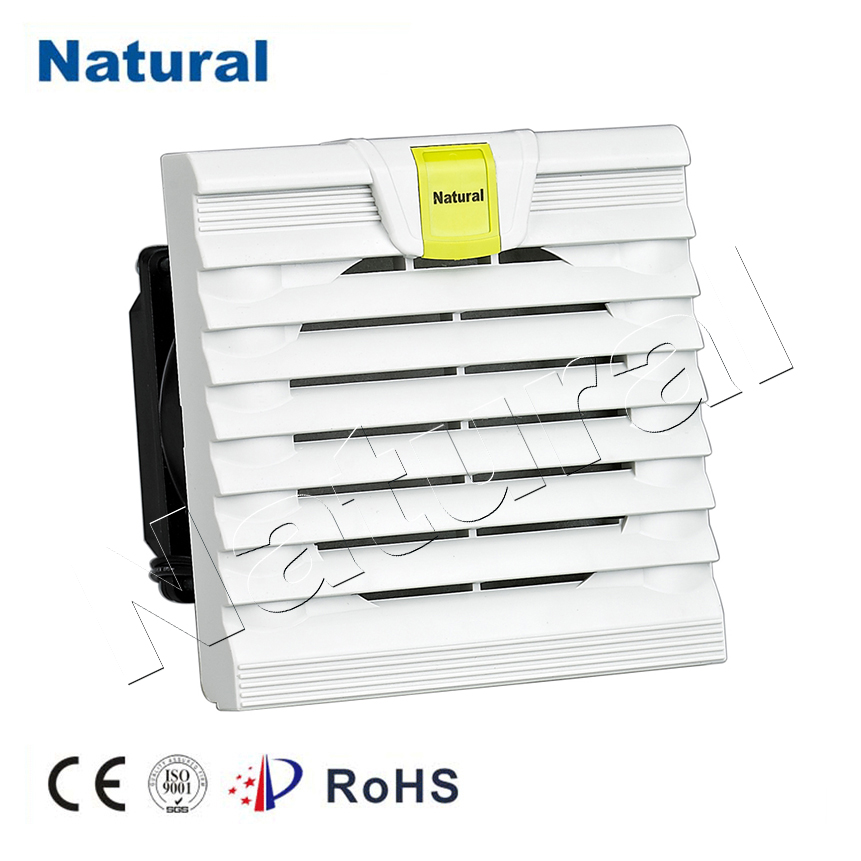
In the modern era, indoor air quality is becoming an increasingly important consideration for businesses and residential spaces alike. One of the key components in improving air quality, particularly in HVAC systems, is the use of filters. Among these, cabinet filters play a crucial role in maintaining the efficiency of air filtration systems. These filters are essential in various settings, from offices to industrial environments, and contribute to the comfort and health of those who occupy these spaces. This article delves into the importance, function, and types of cabinet filters and their role in enhancing air quality.

What Are Cabinet Filters?
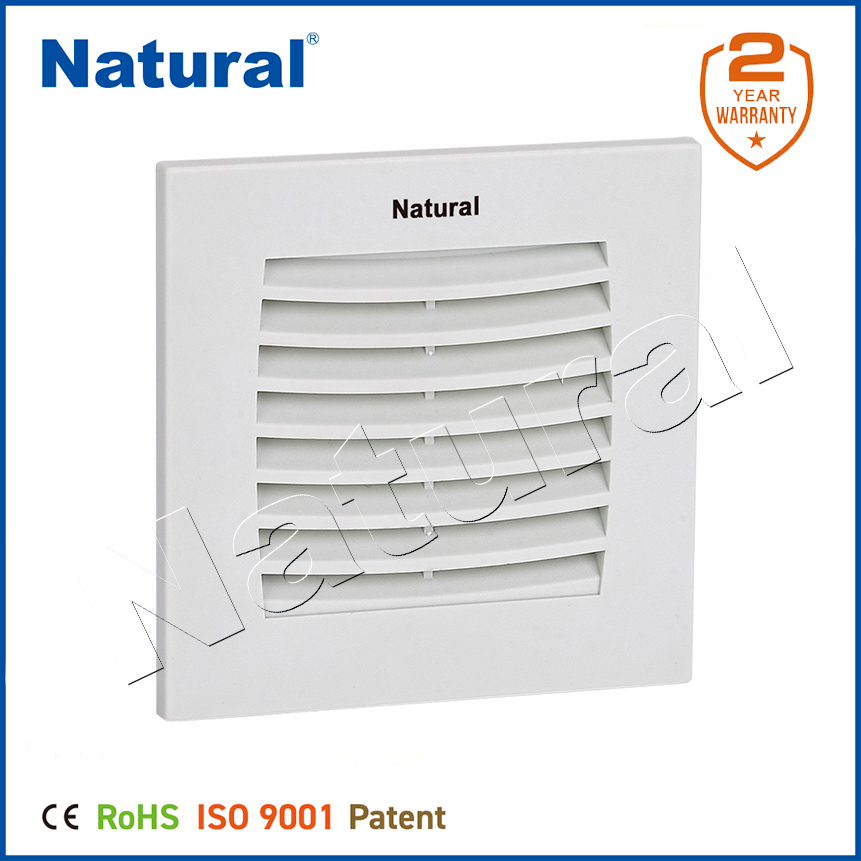
Cabinet filters are filtration devices used primarily in HVAC (Heating, Ventilation, and Air Conditioning) systems. They are designed to capture dust, dirt, allergens, and other particles that may affect the performance of air handling units. These filters are typically housed within a cabinet or compartment, which is where they get their name. Their role is to ensure that the air circulating within a building is clean, safe, and free from contaminants that could affect human health or the efficiency of HVAC systems. The Role of Cabinet Filters in Air Quality The primary function of cabinet filters is to improve the air quality within indoor spaces. HVAC systems, especially those used in large buildings or industrial settings, can accumulate a wide variety of particles. These particles can come from a number of sources, including outdoor pollution, dust generated within the building, and even pollutants from industrial processes. Over time, these particles can accumulate in the air handling units, reducing the effectiveness of the HVAC system and potentially harming the health of individuals within the space.