In modern communication systems, whether wireless or wired, relay systems play a crucial role in ensuring data transmission over long distances or in environments with weak signals. The concept of relay parameters is integral to understanding how data is effectively transmitted, received, and forwarded within these systems. These parameters not only define the operational efficiency of relay devices but also significantly impact the quality and reliability of the communication network. This article explores the key elements of relay parameters, their importance, and their role in optimizing communication systems.
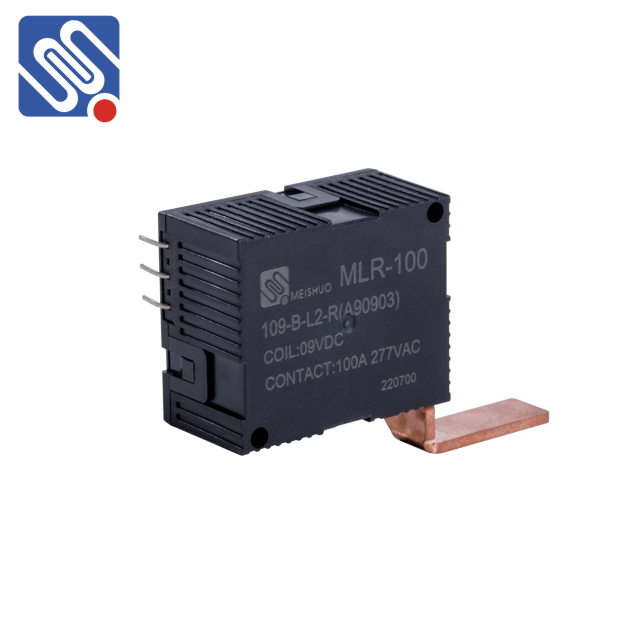
What Are Relay Parameters? Relay parameters refer to the settings and configurations that govern how a relay device handles data transmission, reception, and forwarding. A relay device (or repeater) amplifies and retransmits signals from a source to a destination that is out of range or blocked due to obstacles. Relay parameters are critical to ensuring that the signal remains strong, consistent, and accurate as it travels through the network. In wireless networks, especially those relying on technologies such as Wi-Fi, LTE, or 5G, relay devices often serve as intermediaries between the source and the destination. These devices can operate as part of mesh networks, extending the coverage area and improving the overall network performance by reducing dead zones.