In industrial settings, safety is paramount, especially when workers are handling heavy machinery or complex equipment. One critical safety procedure that has been widely adopted is Lockout/Tagout (LOTO). This safety protocol is designed to prevent accidental injuries during the maintenance or repair of machinery by ensuring that the equipment is properly shut down and cannot be restarted while it is being serviced. The LOTO procedure plays a vital role in protecting workers from hazards such as electrical shock, equipment startup, or the release of hazardous substances, which could result in serious injuries or fatalities.
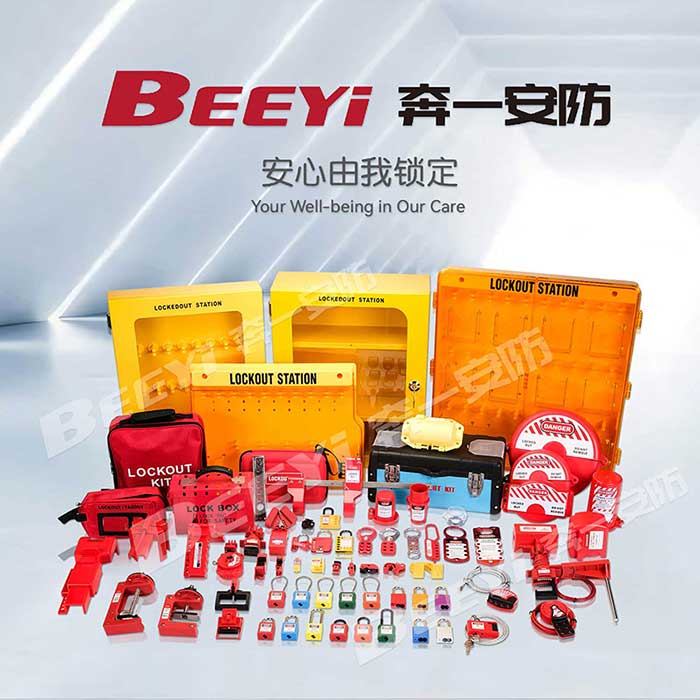
What is LOTO? LOTO stands for Lockout/Tagout, a safety standard set forth by the Occupational Safety and Health Administration (OSHA). It refers to a set of practices and procedures used to ensure that machines or energy sources are completely de-energized during maintenance or servicing. The key components of this protocol are lockout, which involves physically securing energy-isolating devices with locks, and tagout, which involves placing a tag on these devices to warn others that the equipment should not be operated. By following LOTO procedures, employers create a safe working environment by ensuring that energy sources (such as electricity, hydraulic pressure, or air) are isolated and cannot be unintentionally activated. This is especially crucial in high-risk industries like manufacturing, construction, and energy production, where the potential for machinery-related accidents is high.