In industrial settings, ensuring the safety of workers during maintenance or repair operations is crucial. One of the key safety tools employed to prevent accidental machinery startup is the Lockout Hasp. This simple yet effective device is used to isolate energy sources and ensure that equipment remains inoperative while being serviced. Given the significance of lockout hasps in industrial safety, it’s essential to understand the role of Lockout Hasps manufacturers and the features that distinguish them in the marketplace.
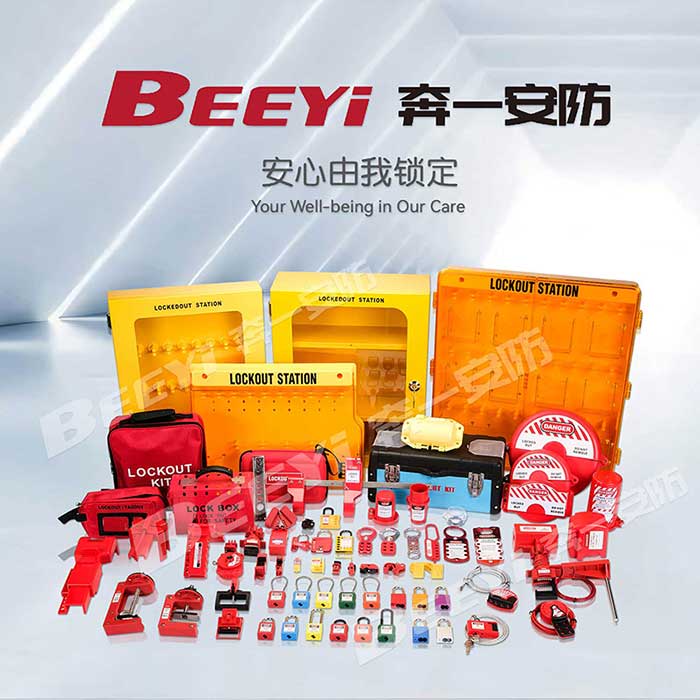
What is a Lockout Hasp? A Lockout Hasp is a device designed to secure energy-isolating devices, such as electrical switches or valves, in a locked position to prevent equipment from being energized while it is being serviced. The lockout hasp allows multiple locks to be applied by different workers, ensuring that no one person can remove the lock while others are still working on the machine. Typically, lockout hasps are used in industries such as manufacturing, construction, and utilities, where equipment maintenance is a routine activity. Lockout hasps are part of the broader lockout/tagout (LOTO) program, which is mandated by safety regulations such as OSHA (Occupational Safety and Health Administration) in the United States. These regulations require employers to use lockout/tagout procedures to control hazardous energy during maintenance and repair activities.