When it comes to purchasing relays, whether for industrial automation, protection systems, or electrical circuits, choosing the right relay is a critical decision. Relays serve as switches that allow electrical circuits to control high power devices with low power signals. The relay procurement process, therefore, requires careful consideration of various technical specifications, application needs, and quality standards to ensure reliable and efficient performance. In this guide, we explore the essential factors involved in the procurement of relays, providing insight into how to select the best relay for specific applications.
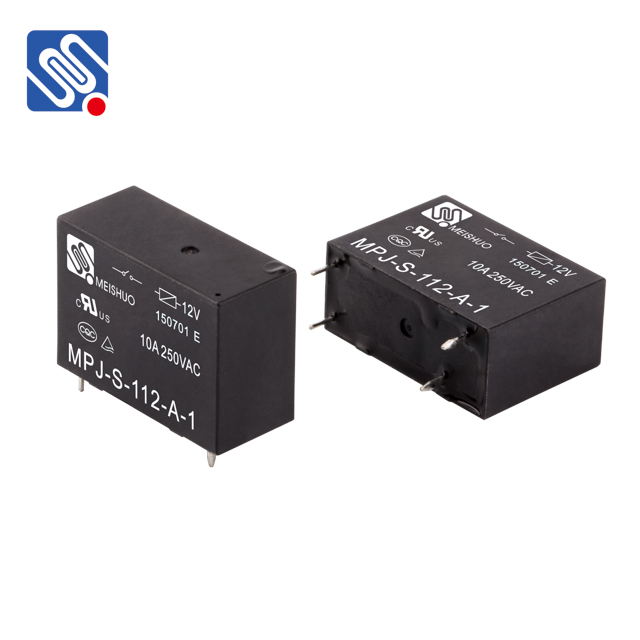
1. Understanding Relay Types The first step in relay procurement is understanding the different types of relays available on the market. The most common types include: Electromechanical Relays (EMRs): These are the traditional relays that use an electromagnet to open or close contacts. They are suitable for a wide range of applications, including power control and automation. Solid-State Relays (SSRs): Unlike EMRs, SSRs use electronic components to switch the relay. These are ideal for applications requiring high-speed switching, low noise, and longer operational life. Thermal Relays: These are used primarily for protection against overcurrent and overtemperature conditions in electrical circuits.