Lockout hasps are essential tools in industrial settings where equipment maintenance is conducted. They form a critical part of the lockout/tagout (LOTO) safety procedures, ensuring that energy sources (electrical, mechanical, hydraulic, etc.) are properly isolated before maintenance begins. This step is crucial to prevent accidental machine startup, which could result in serious injuries or fatalities. In this guide, we will walk through the step-by-step process of installing lockout hasps to maximize safety and compliance during maintenance operations.
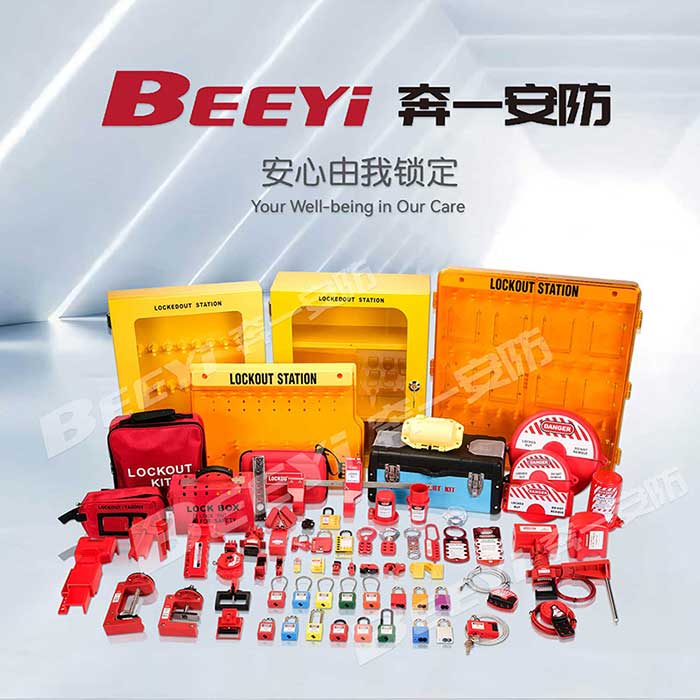
What are Lockout Hasps? Lockout hasps are devices used in conjunction with locks to isolate and secure energy sources during maintenance. Typically, they are designed with a central locking point that allows multiple workers to securely lock a single energy-isolating device, such as a valve or circuit breaker. By using these hasps, workers ensure that the equipment cannot be inadvertently turned on while they are performing repairs or maintenance. Why are Lockout Hasps Important? In environments where multiple personnel work on the same piece of machinery, lockout hasps provide a mechanism for everyone to lock out the equipment independently. This ensures that no one can inadvertently restore power or cause movement, which can be dangerous. Lockout hasps, therefore, increase accountability and safety, reducing the risk of accidents during maintenance.