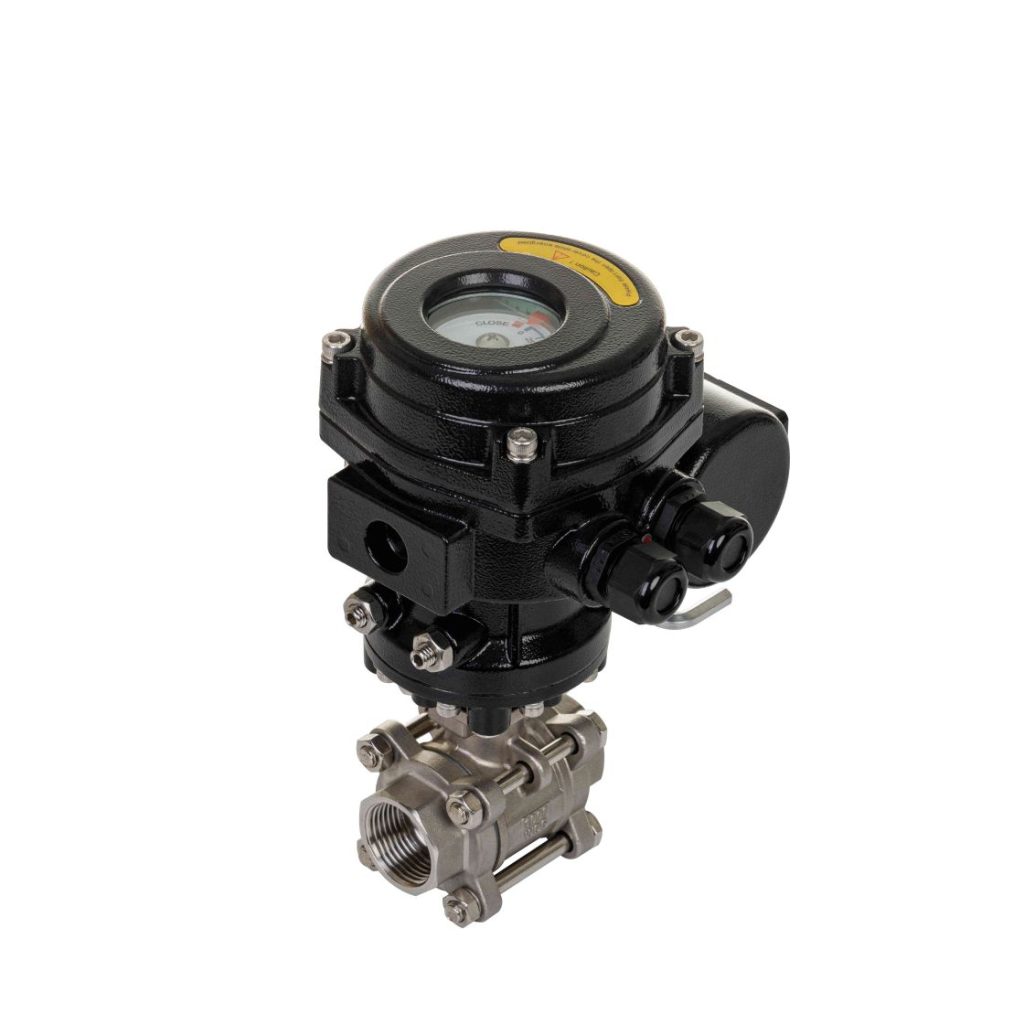
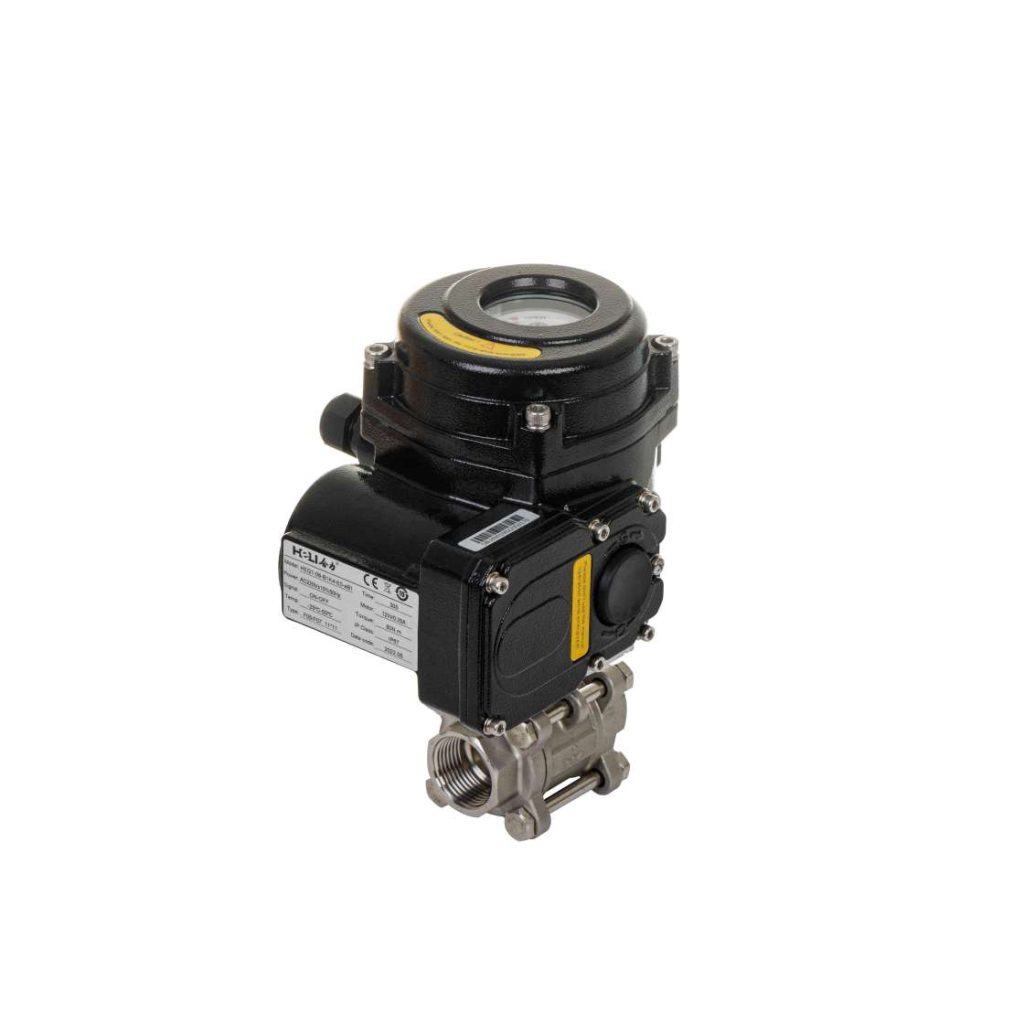
The WCB Electric Screw Ball Valve is a specialized component used in a wide range of industrial applications for controlling the flow of fluids with precision. Combining the functionality of a ball valve with the automation capabilities of an electric actuator, this valve is well-suited for operations where automated control, durability, and reliable performance are critical. In this article, we will explore the key features, benefits, and applications of the WCB Electric Screw Ball Valve, highlighting why it is favored in various industries.
What is a WCB Electric Screw Ball Valve?
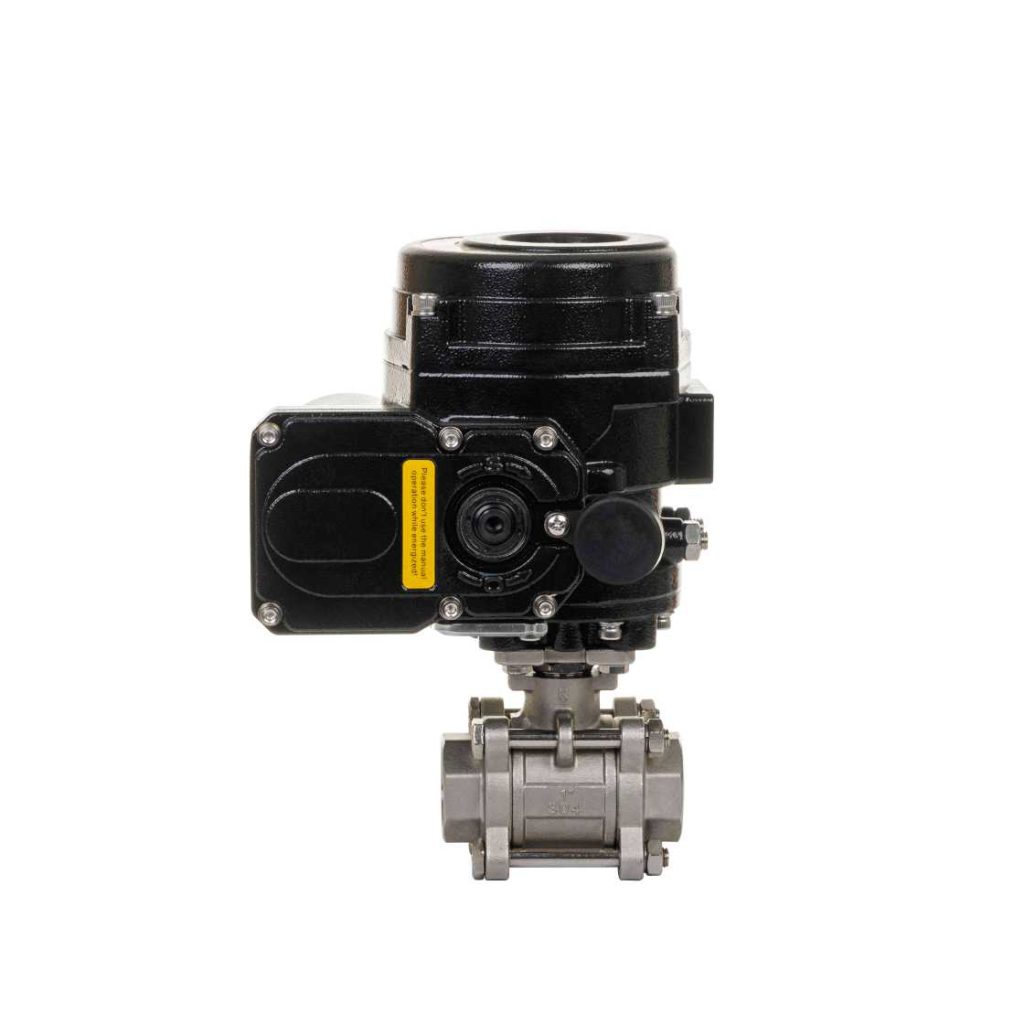
A WCB Electric Screw Ball Valve is a type of ball valve that is operated by an electric actuator rather than manual control. The term “WCB” refers to the material used for the valve body—Weldable Cast Steel, which is known for its strength and durability. This type of valve is used in applications where precise control of fluid flow is necessary, such as in oil and gas, chemical processing, water treatment, and power generation systems. Key Features of WCB Electric Screw Ball Valve Electric Actuation: The defining feature of the WCB Electric Screw Ball Valve is its electric actuator. Unlike traditional manual valves, which require physical effort to open or close, this valve can be controlled remotely through an electric signal, such as 4-20 mA or 0-10 V, making it ideal for automated control systems. The actuator allows for easy integration into systems that require remote or automatic control of flow.