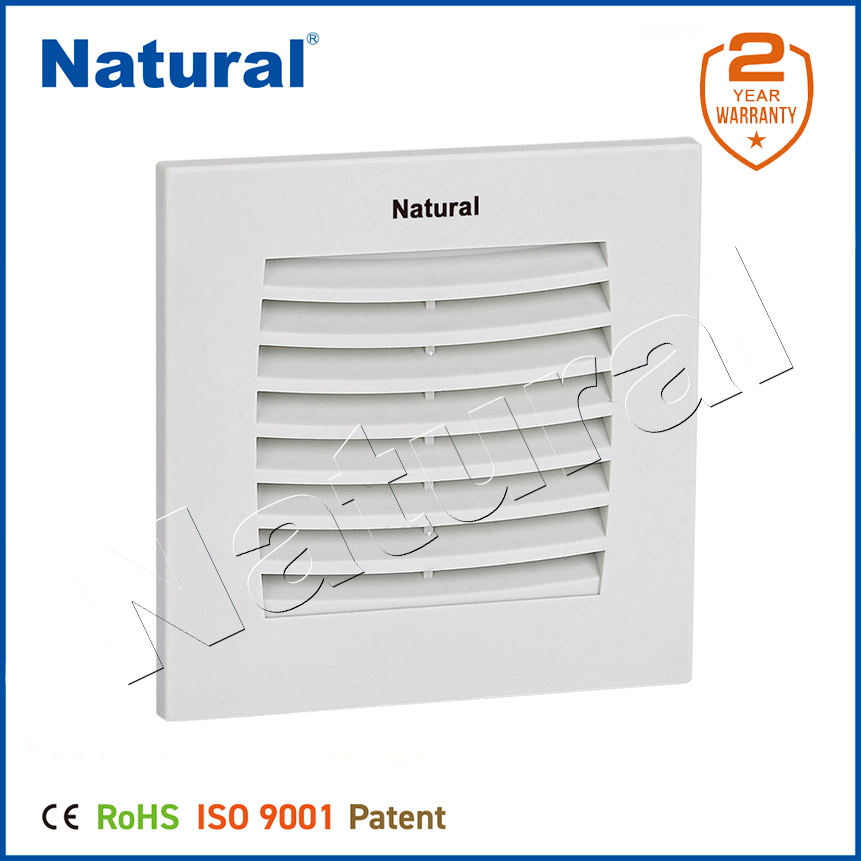
In industrial and laboratory environments where air quality is crucial, maintaining a clean and contaminant-free atmosphere is of utmost importance. This is where fan filter exhaust systems come into play. These systems are designed to efficiently filter and exhaust airborne contaminants, ensuring that the air circulating within these sensitive areas meets the required cleanliness standards. In this article, we will explore what fan filter exhaust systems are, how they work, and their importance in maintaining a safe and clean environment.
What is a Fan Filter Exhaust System?
A fan filter exhaust system is an air filtration and ventilation system that combines a fan and a filter to purify the air before it is either recirculated or exhausted outside a room or building. These systems are commonly used in clean rooms, laboratories, hospitals, and manufacturing facilities where controlling air quality is essential. The fan works by drawing air into the system, and the filter, which can be made from high-efficiency particulate air (HEPA) or ultra-low penetration air (ULPA) filters, captures airborne particles, dust, and other contaminants. The purified air is then either recirculated or released to the outside environment.