Relay troubleshooting is a vital skill for anyone working with electrical and electronic systems, from automotive repair to industrial automation. Relays are essential components used to control electrical circuits, and understanding how to troubleshoot them can help save time, reduce downtime, and prevent damage to other connected equipment. This article outlines the essential steps for effective relay troubleshooting, enabling you to quickly identify and resolve issues with your relay systems.
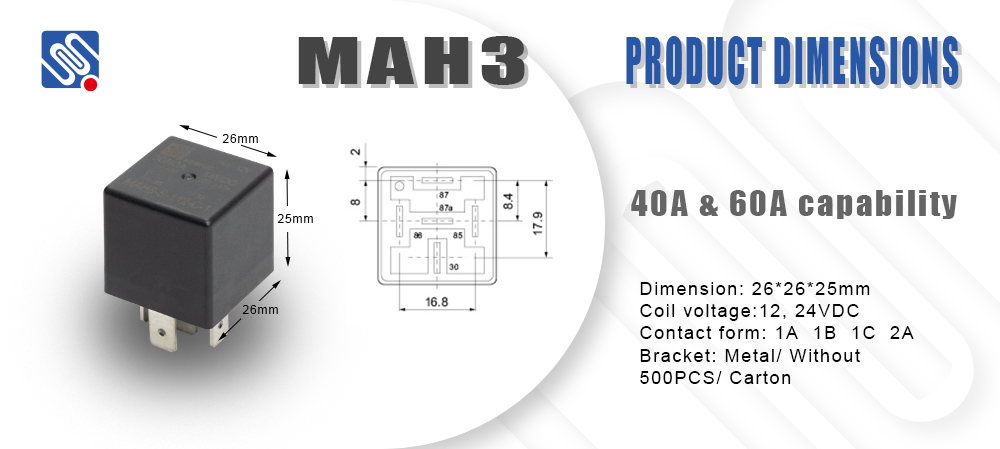
Understanding the Role of Relays Before diving into troubleshooting, it’s important to understand what a relay is and how it functions. A relay is an electrically operated switch that uses an electromagnet to open or close contacts in a circuit. Typically, relays are used to control high-voltage or high-current circuits with a low-voltage control signal. For example, a 12V relay in a car may control a 120V light circuit. The reliability of relays is crucial in many industries, including automotive, telecommunications, and industrial control systems. Common Relay Issues There are several common issues that can occur with relays, often related to the coil, contacts, or external connections. These include: