In today’s industrial and commercial settings, ensuring the longevity and safety of electrical equipment is paramount. Among the most vital protective devices is the Overload Protection Relay, an essential component that safeguards electrical motors and machinery from potential damage caused by excessive current. This article delves into the importance, functioning, types, and applications of overload protection relays, highlighting their role in maintaining the smooth operation of electrical systems.
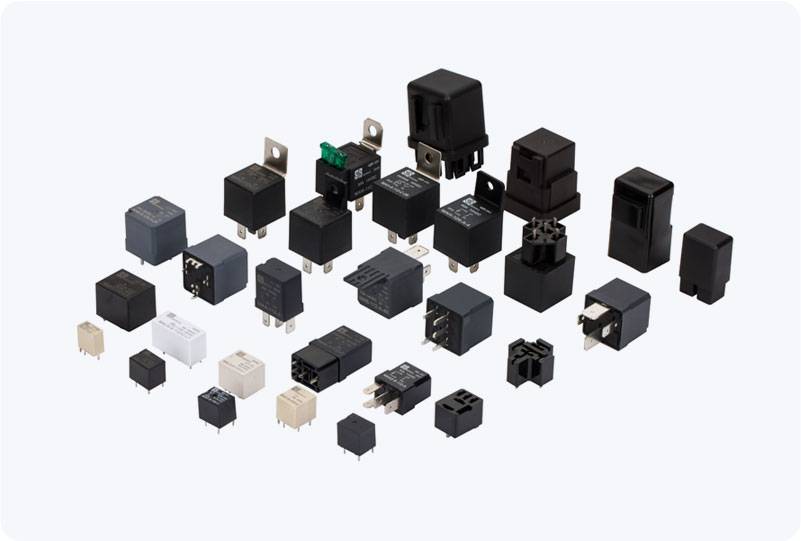
What is an Overload Protection Relay? An overload protection relay is an electrical device designed to detect and respond to overcurrent conditions within electrical circuits, specifically protecting electric motors and equipment from damage caused by overloads. It operates by continuously monitoring the current flowing through the system, triggering a response when the current exceeds a set threshold. The relay then disconnects the affected circuit, preventing overheating, damage to wiring, or catastrophic failure of the motor or equipment. How Does an Overload Protection Relay Work?