Relays are fundamental components in electrical systems that allow for the control of high-power devices using low-power signals. Among the many types of relays available, the 12V 60A relay stands out for its ability to handle high current loads, making it an essential tool for a variety of applications, especially in automotive, industrial, and power control systems. This article explores the features, applications, and important considerations when using a 12V 60A relay.
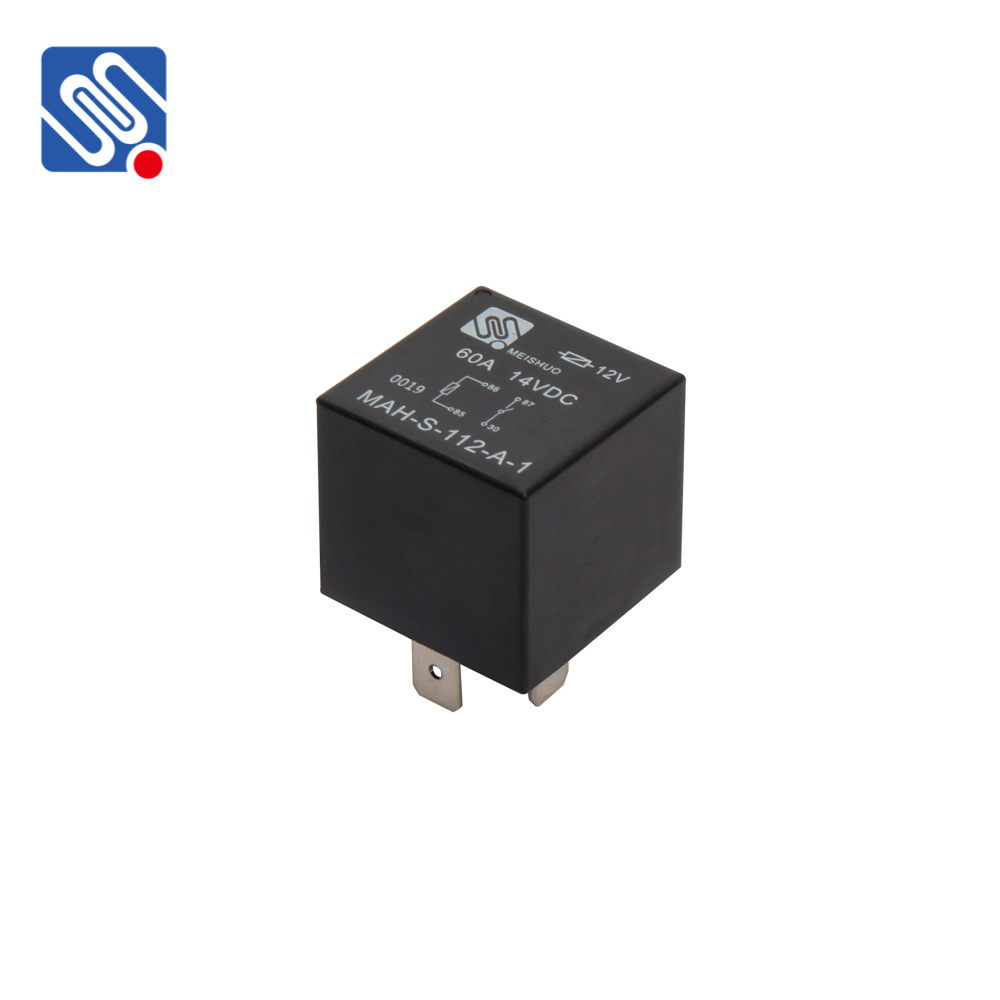
What is a 12V 60A Relay? A 12V 60A relay is a type of electromagnetic switch that uses a 12-volt DC input signal to control a load with a maximum current of 60 amperes. Relays consist of a coil and one or more contacts. When the coil is energized, it generates a magnetic field that activates the contacts, completing the circuit and allowing current to flow to the connected load. The 60A designation indicates the maximum amount of current the relay can safely carry through its contacts without sustaining damage. The 12V part refers to the voltage required to activate the relay coil, making it ideal for automotive applications, where 12V DC is the standard voltage. These relays are typically used in circuits that control high-power devices, such as electric motors, lights, and heating systems.