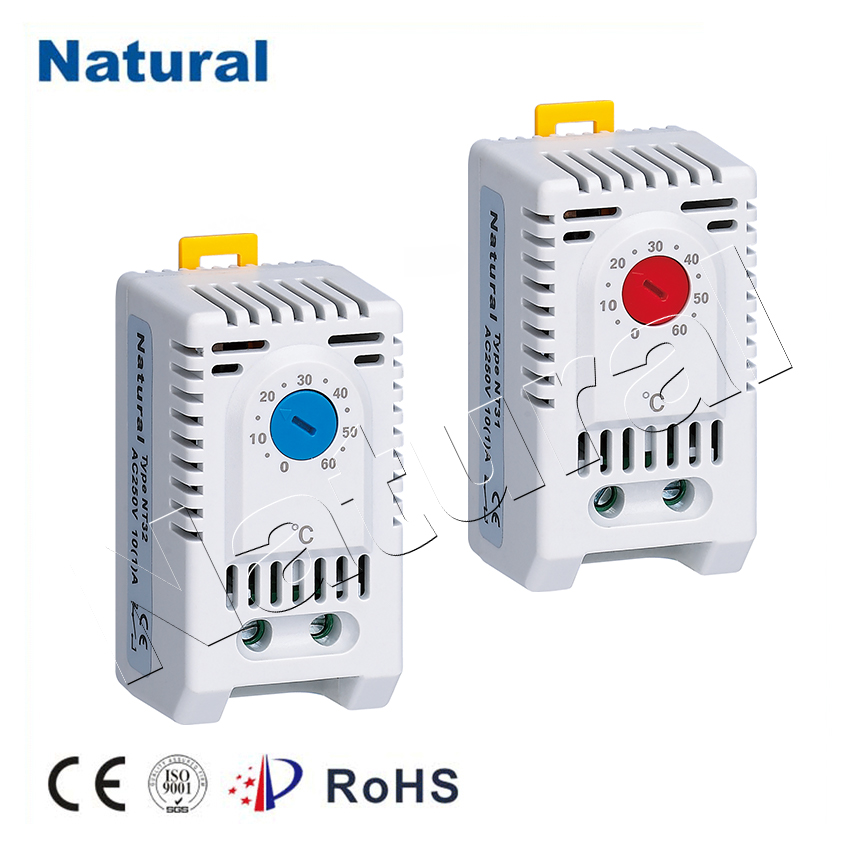
A DIN Rail thermostat is a versatile and highly efficient device that plays a crucial role in industrial, commercial, and residential environments, regulating temperature to ensure comfort and safety. It is specifically designed to mount onto a standard DIN rail, making it suitable for use in control panels and electrical enclosures. The DIN rail thermostat is used for temperature monitoring and control in a wide range of applications, from heating systems to ventilation and even refrigeration units. This article explores the features, benefits, installation, and applications of the DIN Rail thermostat, helping users make an informed decision about its use.
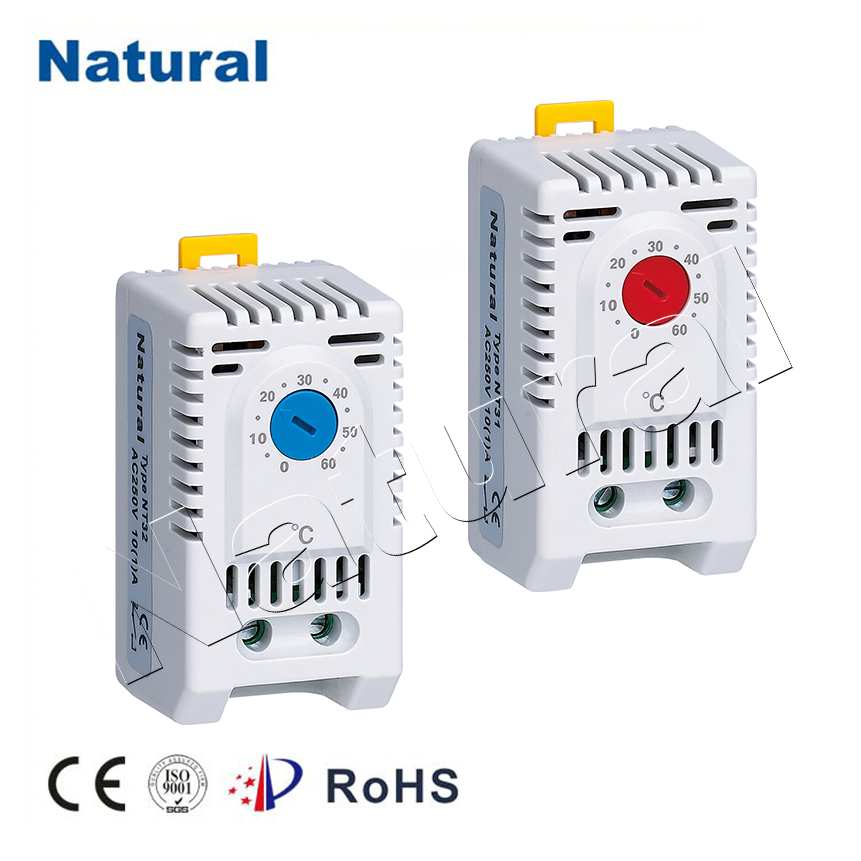
What is a DIN Rail Thermostat?
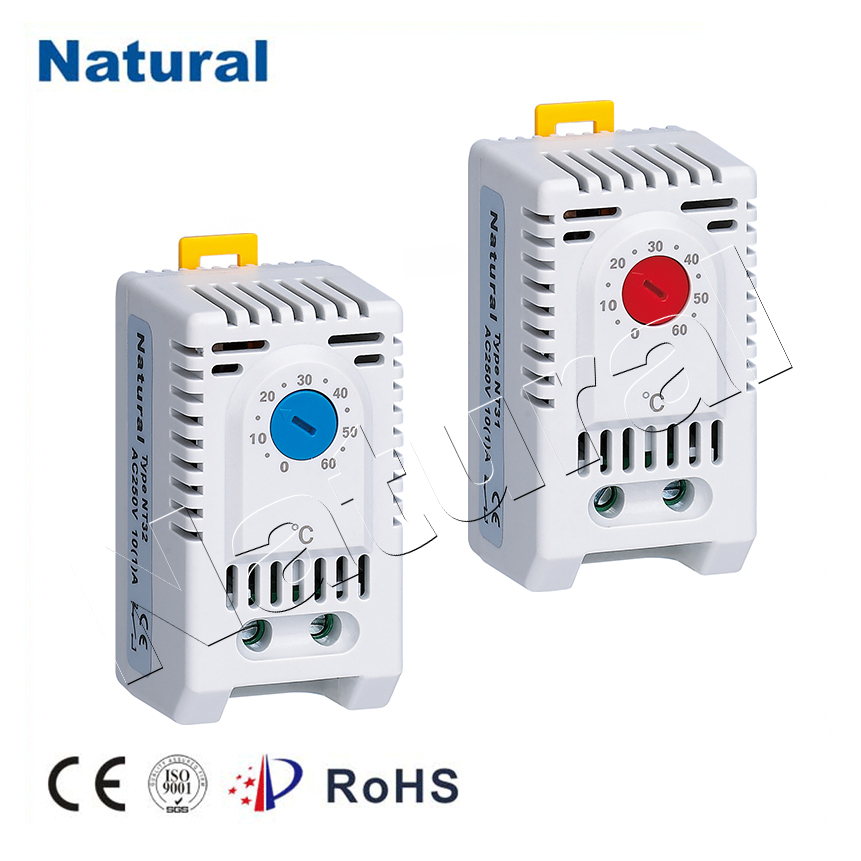
A DIN Rail thermostat is an electrical component that is designed to control the temperature of a particular system. Unlike traditional thermostats that are typically installed on walls or floors, the DIN Rail version is mounted onto a DIN rail—a standardized metal rail used for mounting electrical components. The DIN rail allows the thermostat to be easily integrated into control panels or electrical cabinets, offering a streamlined and organized solution for temperature regulation. The primary function of a DIN Rail thermostat is to monitor the temperature of the environment or system it is connected to. Based on its readings, it activates or deactivates heating, cooling, or ventilation systems in order to maintain the desired temperature range. It is highly accurate and provides real-time monitoring, ensuring that temperature-sensitive systems operate efficiently and reliably.