In the realm of electrical engineering and automation, the relay power supply plays a pivotal role in controlling and managing electrical circuits. This crucial component allows for efficient power distribution and offers a level of flexibility and safety that is invaluable in many applications. In this article, we will explore the principles behind relay power supplies, their applications, advantages, and critical considerations.
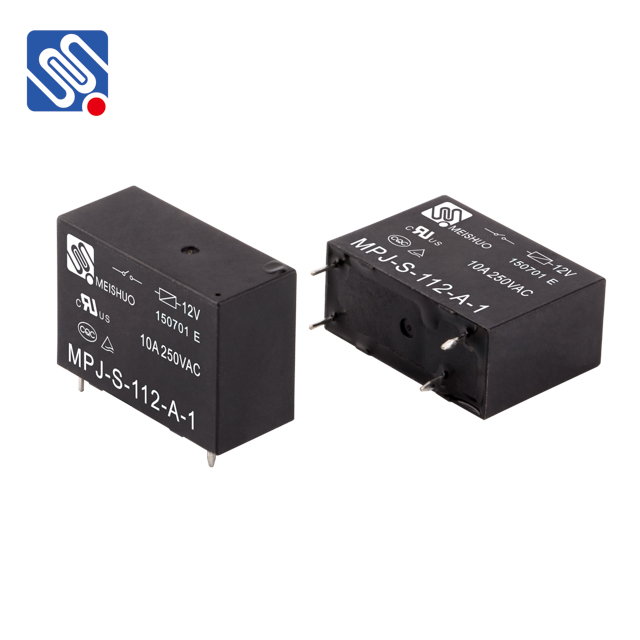
What is a Relay Power Supply? A relay power supply consists of a relay—a switch that opens and closes under the control of an electrical signal—coupled with a power supply that provides the necessary voltage and current to operate various electrical devices. The relay acts as a gateway, controlling the power flow from the source to the load based on the signals it receives from a control system. How Does It Work? The basic operation of a relay power supply involves several components working in harmony. First, the system receives an input power supply, which can be either alternating current (AC) or direct current (DC). The key component, the relay, is connected to the control unit that sends a signal indicating whether the relay should be engaged or disengaged.