Electric vehicles (EVs) are becoming increasingly popular due to their environmental benefits and technological advancements. At the heart of an EV lies the battery system, which powers the vehicle’s electric motor. One critical component that ensures the battery operates efficiently and safely is the EV Battery Relay. This small but vital device plays a significant role in the overall performance and safety of the electric vehicle. In this article, we will delve into the function, importance, and working principles of EV Battery Relays, and explore why they are crucial for the future of electric mobility.
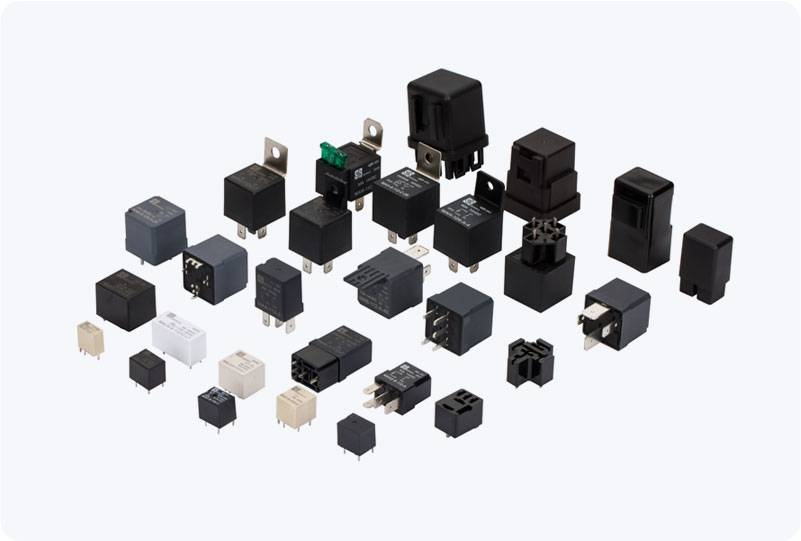
What is an EV Battery Relay? An EV Battery Relay is an electromechanical switch that controls the flow of electricity from the battery to the vehicle’s powertrain. The relay is responsible for connecting and disconnecting the battery from the rest of the electrical system, essentially acting as a gatekeeper between the battery and the EV’s components. It ensures that the battery is safely connected when required and disconnected when it is not in use, helping to prevent damage and optimize performance. Function of the EV Battery Relay The primary function of an EV Battery Relay is to manage the flow of current to the battery and the electric vehicle’s systems. Here are some of the key functions of an EV Battery Relay: