Automotive relays are essential components in modern vehicles, playing a vital role in controlling the electrical systems that make up a vehicle’s operation. These small yet powerful devices allow high-power circuits to be controlled by low-power signals, ensuring safety, reliability, and efficiency in automotive electrical systems. This article will explore what automotive relays are, how they work, their types, and their applications in vehicles.
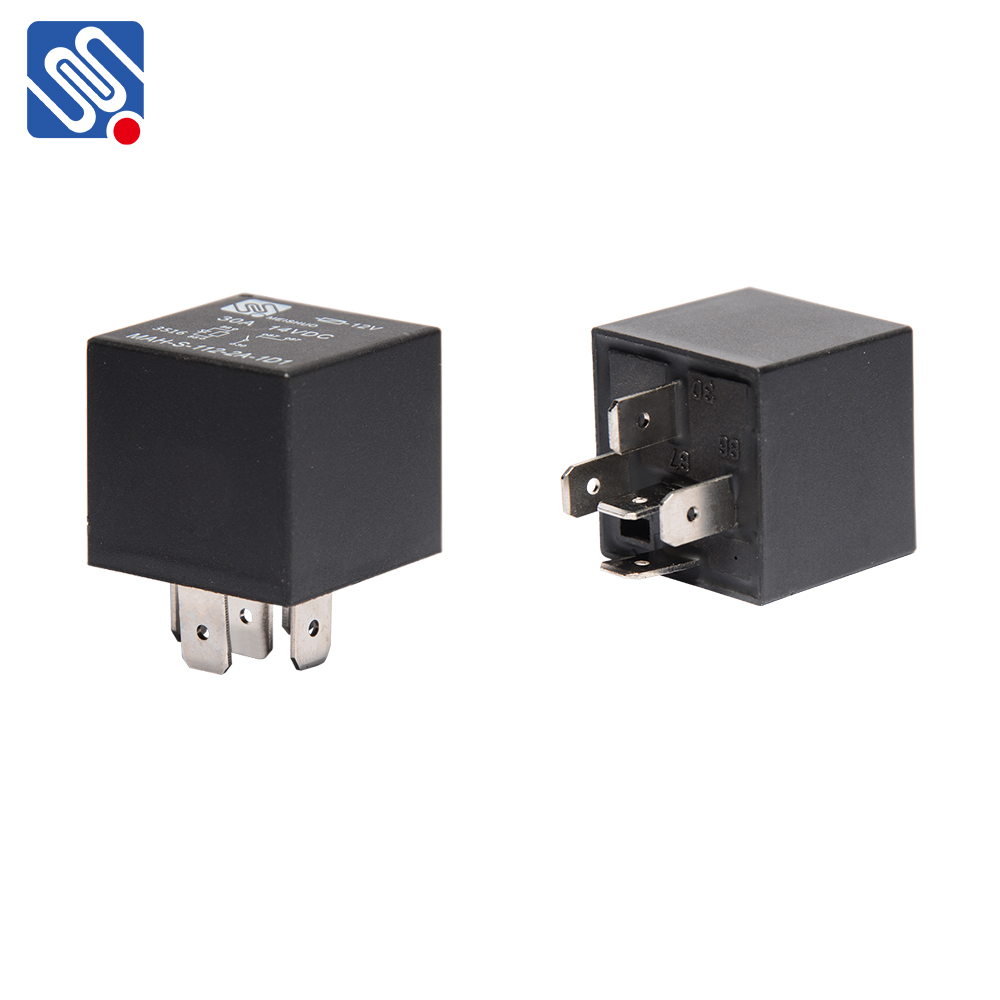
What is an Automotive Relay? An automotive relay is an electrical switch used to control a high-current circuit using a low-current signal. Relays operate on the principle of electromagnetic induction. When an electric current passes through the relay coil, it generates a magnetic field that attracts a movable armature, closing or opening contacts in the relay. This allows the relay to switch between electrical circuits, enabling control over large devices or systems within a car’s electrical setup. Relays are essential in automotive systems because they allow a small signal from a vehicle’s low-voltage system to control high-power components, such as lights, motors, and other electrical devices that require more power than can be provided directly by the vehicle’s switches.