High-power relays (HPR) are integral components in modern electrical systems that handle large currents and high voltages. These devices are crucial for controlling high-power circuits across various industries, including automotive, renewable energy, industrial automation, and telecommunications. This article provides a comprehensive overview of high-power relays, focusing on their key applications, technical features, and considerations for their use in demanding environments.
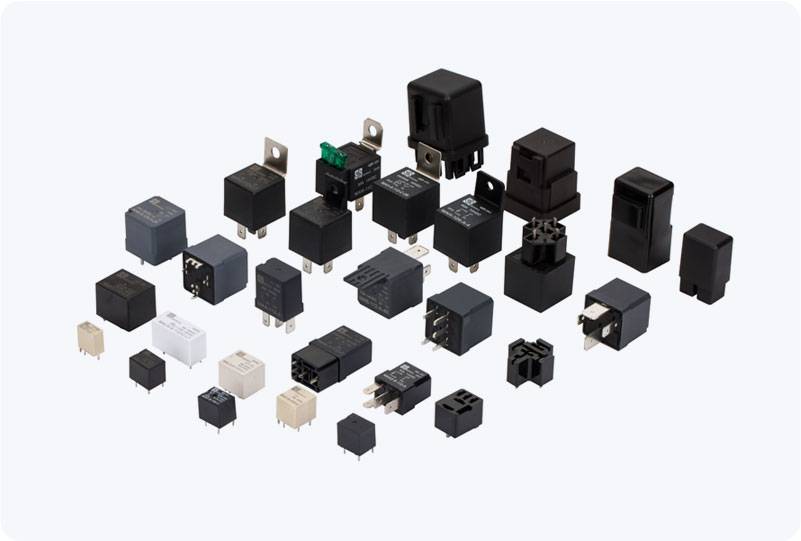
What is a High-Power Relay? A high-power relay is an electromechanical or solid-state device designed to switch high-voltage and high-current circuits. Unlike standard relays, which are primarily used for low-power applications, high-power relays are capable of handling power levels from several hundred volts to thousands of volts and can control currents in the range of several tens to hundreds of amperes. At the heart of a high-power relay is its ability to make and break circuits without causing excessive wear on its contacts or creating harmful electric arcs. This is achieved through robust construction, often featuring specialized materials for the contacts and arc suppression technologies.