The 12V 30A relay is an essential component in a myriad of electronic systems, particularly in automotive and industrial applications. This article aims to provide an in-depth understanding of what a 12V 30A relay is, its working principles, its applications, and key factors to consider when using these relays.
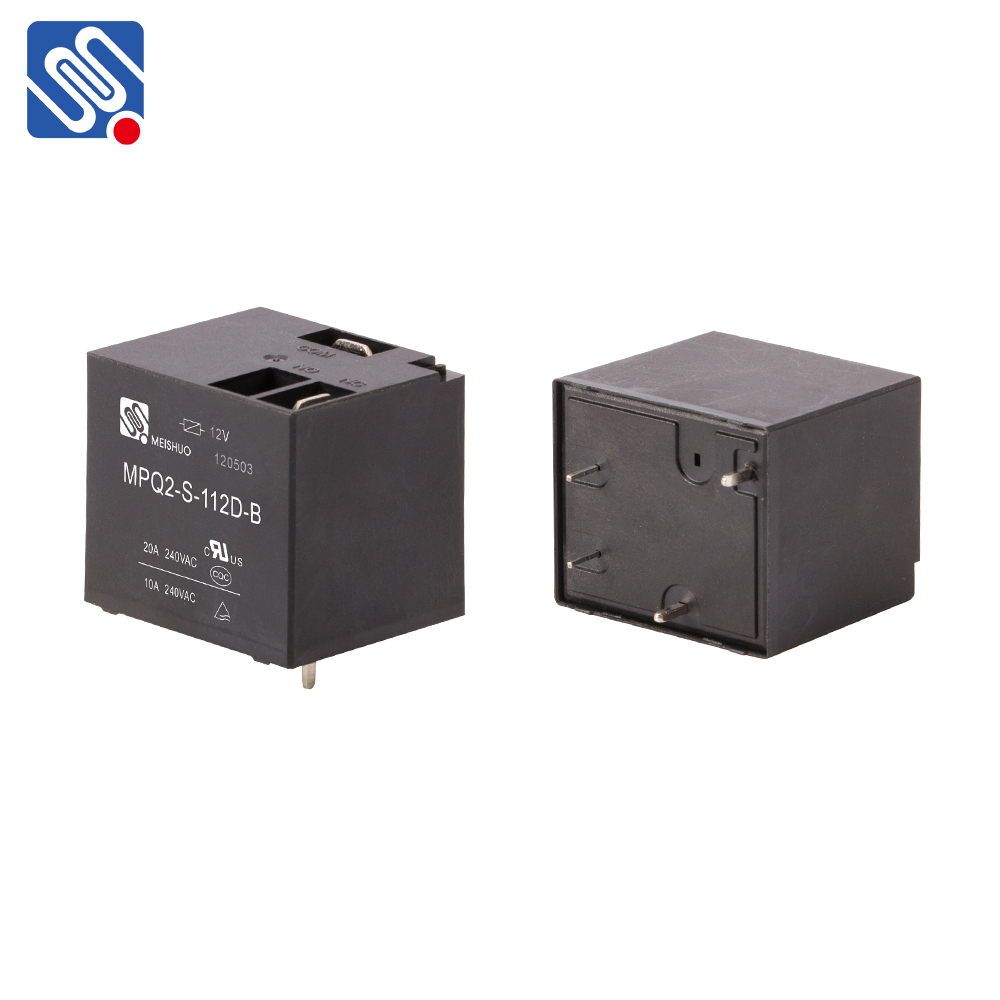
What is a 12V 30A Relay? A relay is an electromechanical switch that utilizes an electromagnetic coil to open or close a circuit. The 12V 30A relay, specifically, is designed to operate at a voltage of 12 volts and can handle a current of up to 30 amps. This feature makes it suitable for controlling high-power devices like motors, lights, and other electrical systems which require substantial current to operate. Working Principle of a 12V 30A Relay The fundamental operation of a relay involves two main components: the relay coil and the switch contacts. When a voltage (in this case, 12 volts) is applied to the relay coil, it generates a magnetic field. This magnetic field attracts a movable armature that connects or disconnects the switch contacts.