When it comes to automotive electrical systems, understanding the difference between a relay and a fuse is essential for both car owners and mechanics. Although both components play crucial roles in ensuring the proper functioning of a vehicle’s electrical system, their purposes and applications differ significantly. This article will explore the roles of relays and fuses in cars, how they work, and why they are indispensable to your vehicle’s electrical safety and performance.
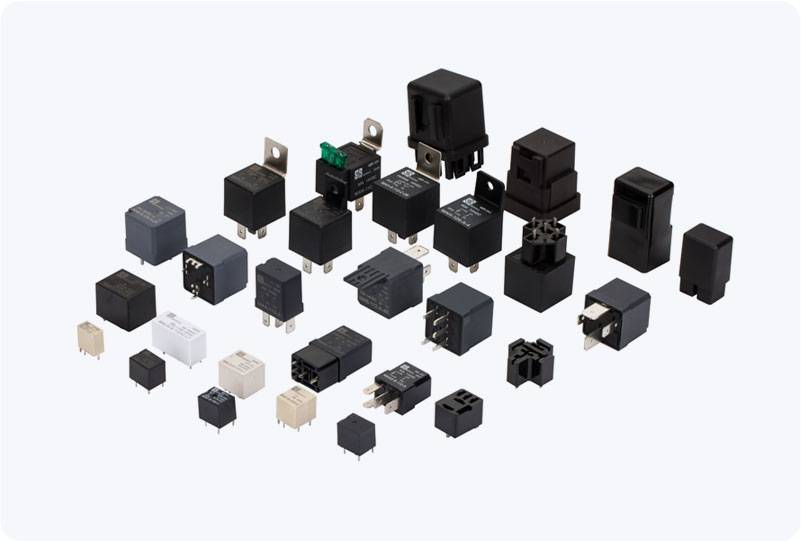
What is a Relay? A relay is an electrically operated switch used to control high-power devices with a low-power signal. Essentially, it serves as an intermediary that allows small electrical signals to control large electrical currents. Relays in cars are used to activate circuits such as lights, horns, fans, and even the starter motor. A typical relay is made of an electromagnet and a set of contacts. When current flows through the coil, it generates a magnetic field that either opens or closes the contacts, allowing the current to flow to the connected component. In automotive applications, relays are crucial because they allow low-current circuits to control high-current components without the need for high-power switches. For example, activating the headlights or starting the engine requires much more current than what a typical switch can handle. Using a relay, a small current from the ignition switch can control a relay, which in turn powers the larger current needed by the headlights or starter motor.