The relay industry has witnessed significant transformation over the past few years, driven by technological advancements, evolving consumer demands, and the growing need for automation across various sectors. Relays, once seen as simple mechanical switches, have become key components in a wide range of applications, from industrial automation and electric vehicles to renewable energy systems and smart homes. In this article, we will explore the key trends currently shaping the relay industry and how they are influencing its future.
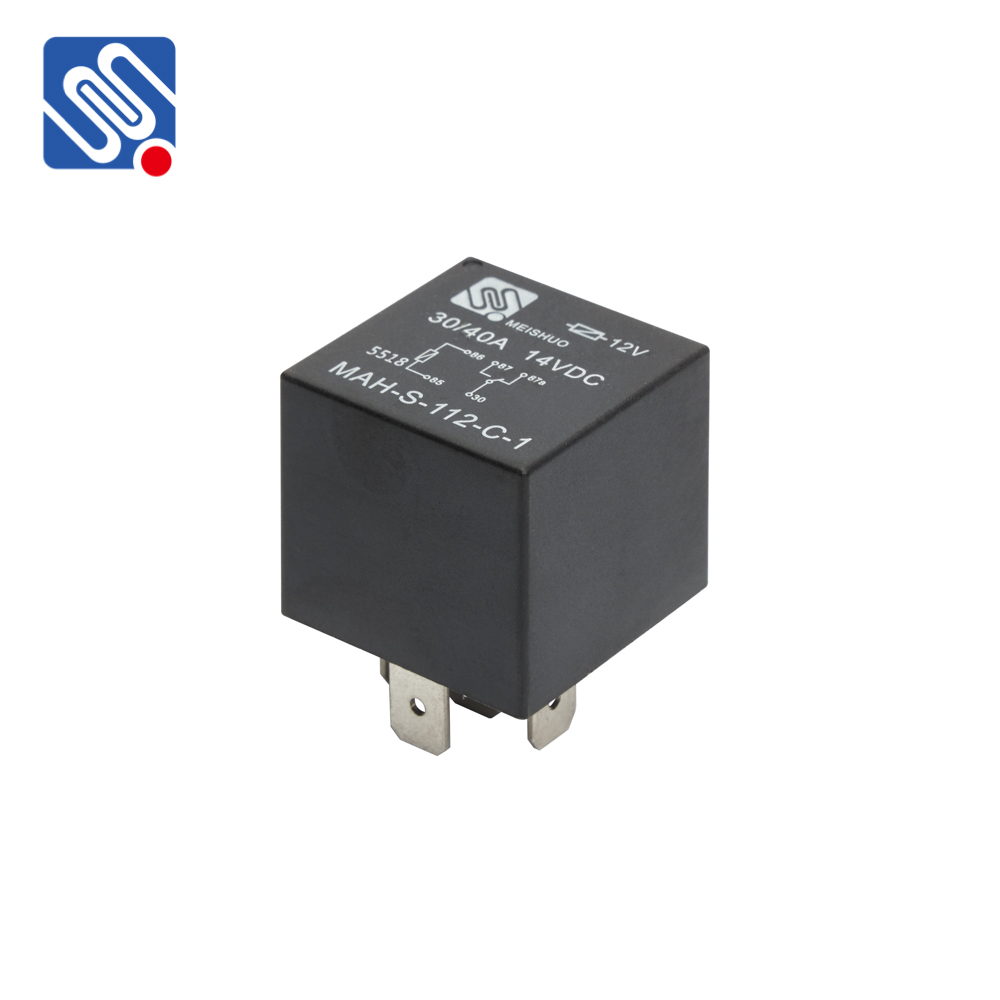
1. Smart Relays and Digital Integration The most notable trend in the relay industry is the move towards smart relays. Traditionally, relays were mechanical devices that provided basic on/off switching functionality. However, with the advent of digitalization and the rise of Industry 4.0, relays are now being integrated into intelligent systems that offer advanced features such as remote monitoring, fault detection, and predictive maintenance. Smart relays can communicate with other devices within an automation network, allowing for real-time control and diagnostics. This is particularly useful in industries like manufacturing and energy, where downtime can be costly. Moreover, the ability to remotely monitor and control relay functions enhances operational efficiency and reduces the need for manual intervention, making these relays ideal for modern automation applications.