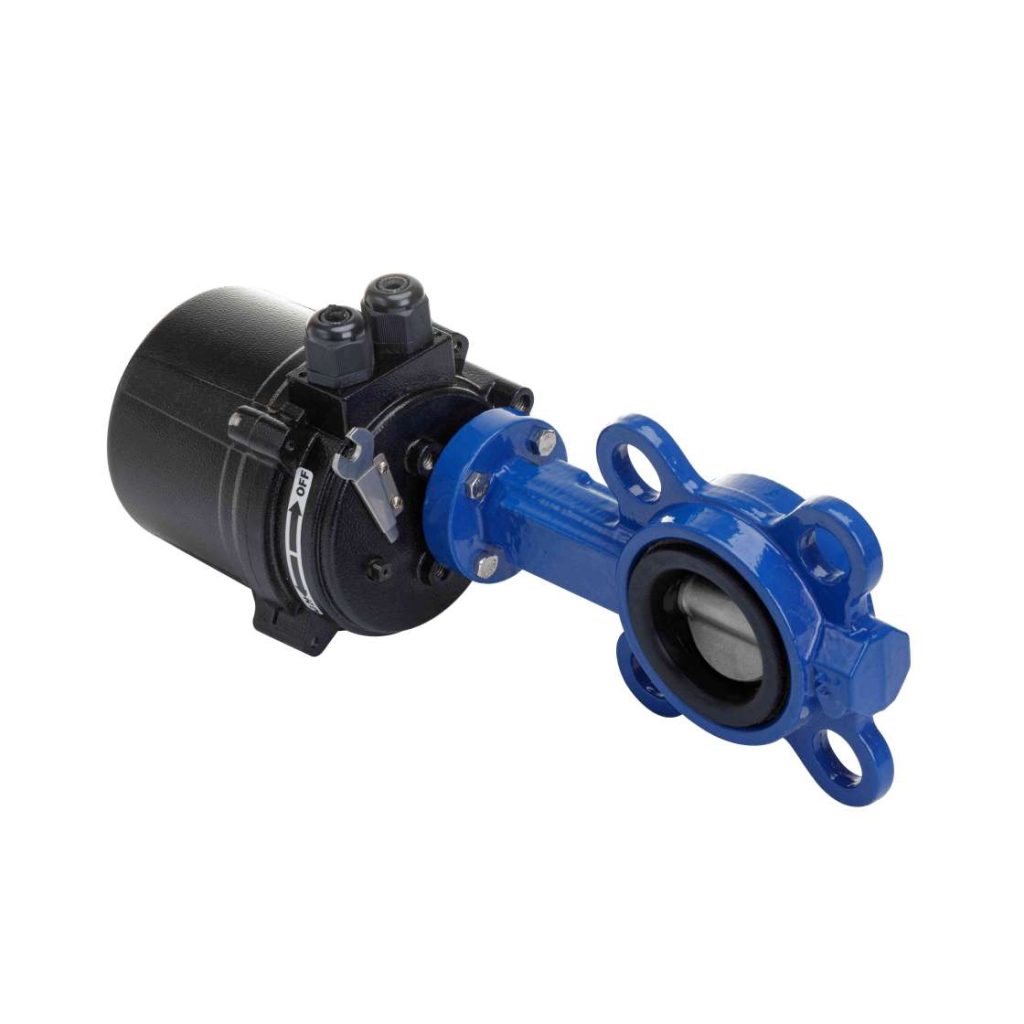
The WCB Electric Butterfly Valve is a pivotal component in modern fluid control systems, renowned for its efficiency, reliability, and adaptability across various industries. This valve type, part of the broader family of butterfly valves, operates by rotating a disc to regulate flow, making it an ideal choice for on-off control and throttling applications. This article delves into the design, benefits, applications, and maintenance of the WCB Electric Butterfly Valve, highlighting its significance in fluid dynamics.
Design Features
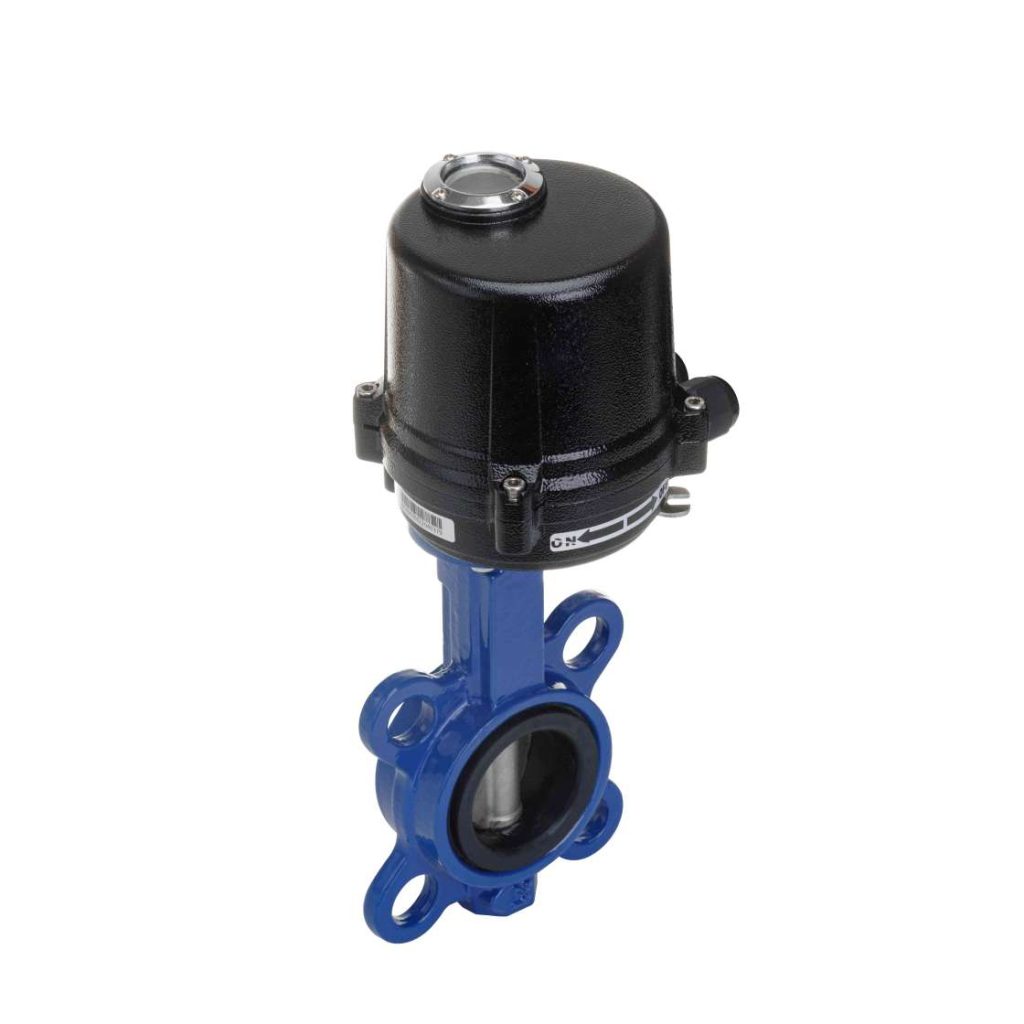
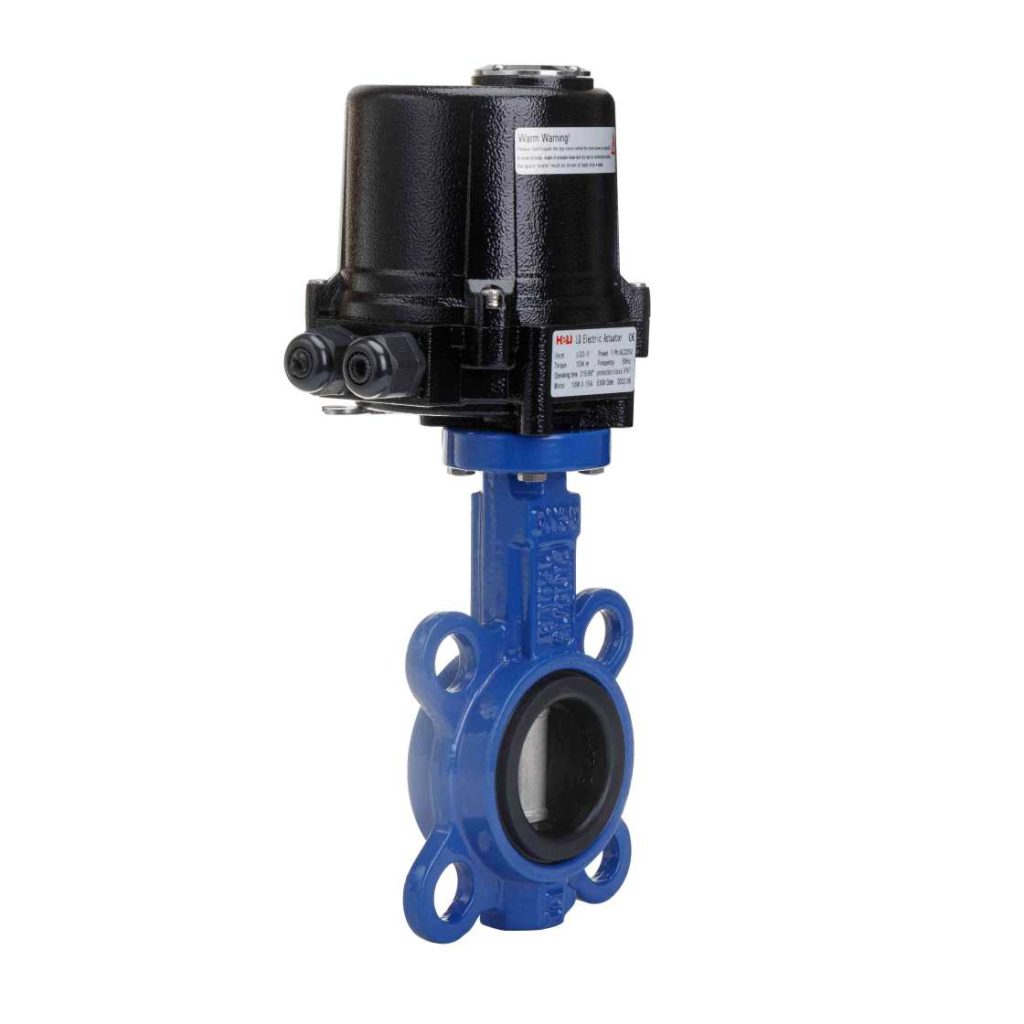
The WCB Electric Butterfly Valve is characterized by its unique design, which comprises a circular disc mounted on a rotating shaft. The valve body is typically constructed from high-quality materials such as carbon steel or stainless steel, ensuring durability and resistance to corrosion. The electric actuator, integrated with the valve, allows for precise control over the valve’s position and flow rate. This actuator can be powered by AC or DC current, depending on the application requirements, and it often features adjustable speed and torque settings to accommodate different operational needs.