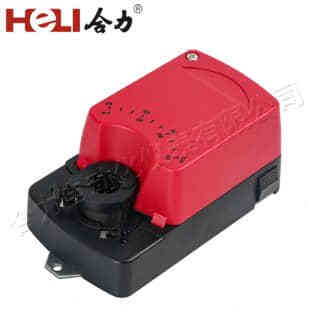
In the ever-evolving world of HVAC (Heating, Ventilation, and Air Conditioning) systems, maintaining optimal air quality, temperature control, and energy efficiency is crucial. One of the key components that ensure these parameters are met is the damper actuator. These devices play a significant role in regulating airflow through ductwork, balancing the pressure, and enhancing the system’s overall performance. As the demand for advanced climate control systems increases, the role of damper actuator manufacturers becomes even more important.
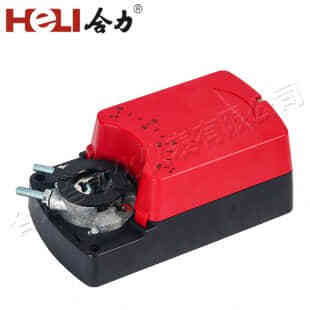
What is a Damper Actuator?
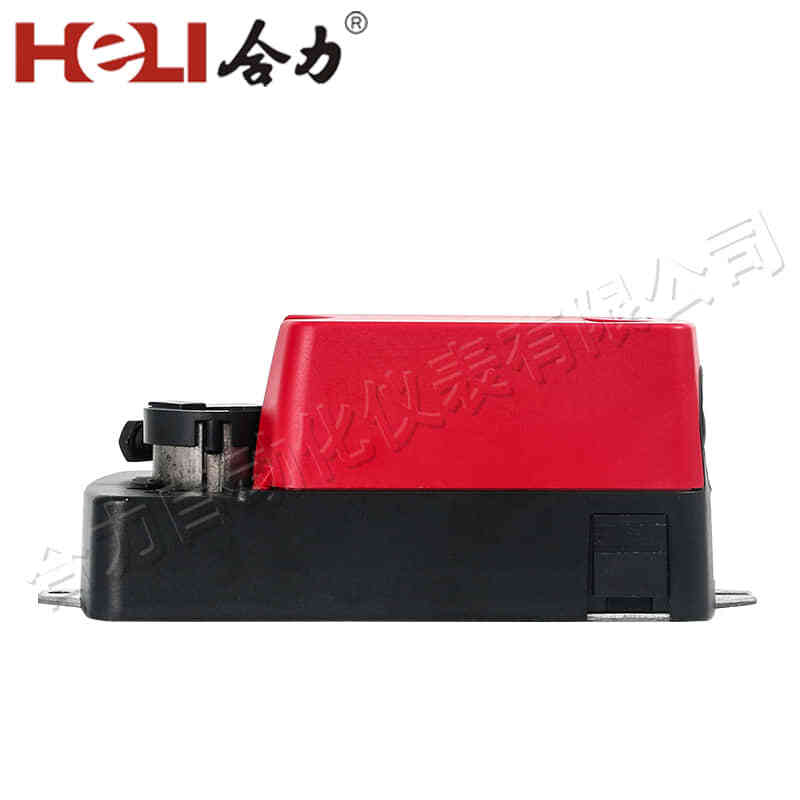
A damper actuator is a device used to control the position of dampers in ventilation or HVAC systems. Dampers are movable components that regulate the flow of air, steam, or other gases through ducts or pipes. A damper actuator is responsible for moving these dampers to adjust airflow based on system needs, improving energy efficiency, reducing noise, and ensuring better comfort and air quality within a building. The damper actuator can be powered by different types of energy sources, including electricity, compressed air, or even manual force. In modern systems, electric damper actuators are most commonly used due to their precision, ease of control, and integration with automated building management systems.