Hydro valves, also known as hydraulic valves, are integral components in the hydraulic systems that power various industries, from construction machinery to automotive applications. These valves control the flow, pressure, and direction of the hydraulic fluid, enabling precise control over the mechanical movements and operations of hydraulic-powered equipment. In this article, we will explore the function, types, and applications of hydro valves, and their importance in ensuring the efficient and safe operation of hydraulic systems.
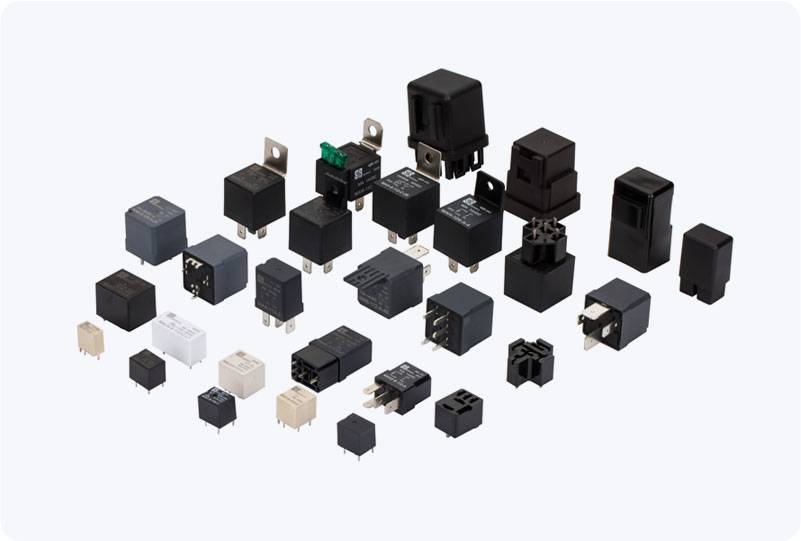
The Role of Hydro Valves in Hydraulic Systems At its core, a hydro valve serves as a control mechanism that regulates the flow of hydraulic fluid within a system. By controlling the fluid’s direction, pressure, and flow rate, the hydro valve dictates how the hydraulic actuator (such as a cylinder or motor) behaves. This capability makes hydro valves indispensable in numerous applications where force and motion need to be generated, controlled, and precisely managed. Types of Hydro Valves Hydro valves come in various types, each designed to serve a specific function in a hydraulic system. The most common types include: