Relay control systems are an integral part of electrical engineering, providing a reliable means of controlling electrical devices and systems. They utilize relays, which are electrically operated switches, to control larger systems with smaller control signals. These systems have a wide range of applications, including automation, protection, and signaling. In this article, we will explore the principles behind relay control systems, their common applications, and the advantages they bring to various industries.
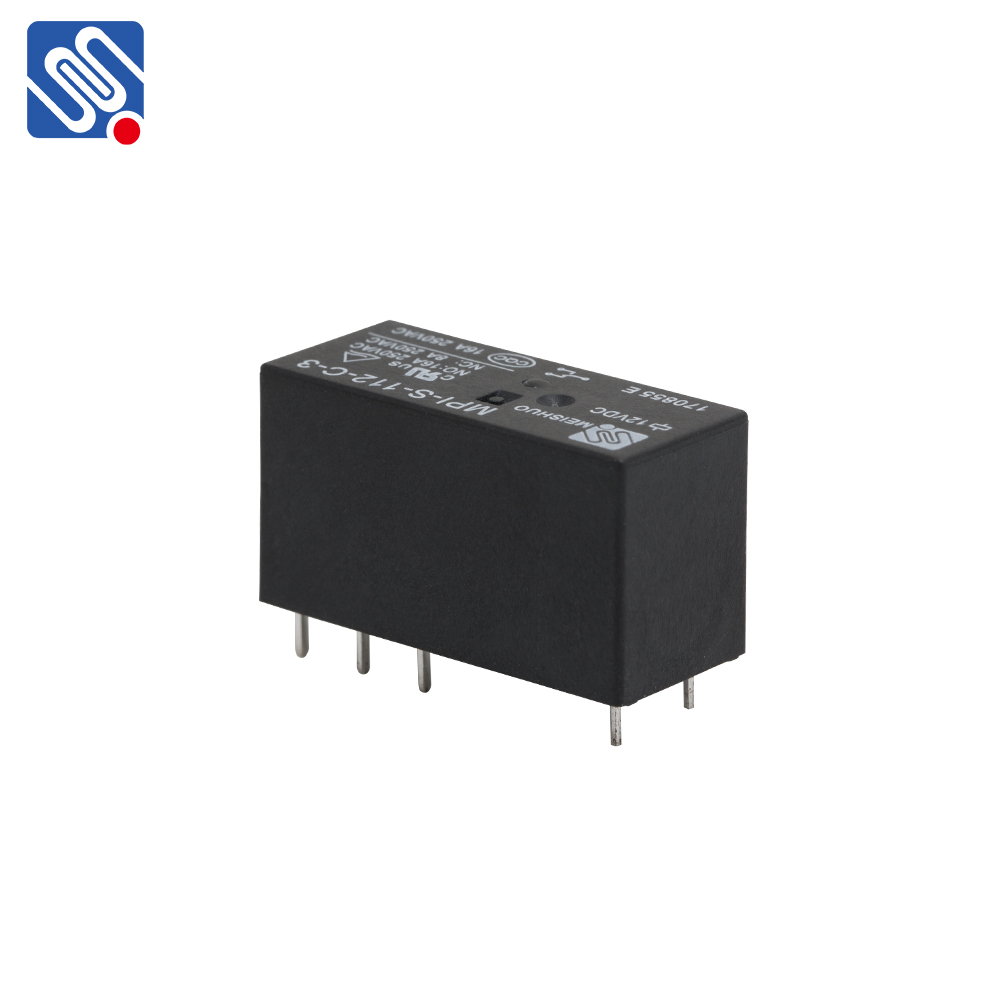
Principles of Relay Control System At the heart of a relay control system is the relay itself. A relay consists of an electromagnet, a movable armature, and a set of electrical contacts. When a small electrical current flows through the coil (electromagnet), it generates a magnetic field, which pulls the armature. This movement causes the contacts to either close or open, depending on the relay’s design, thus controlling the flow of current to a connected load. Relay control systems typically consist of an input section, a control circuit, and an output section. The input section could involve sensors, switches, or other devices that generate signals indicating the need for control. The control circuit processes these signals and activates the relay based on predefined conditions. The output section controls the load, which could be a motor, light, or any other electrical device.