Plastic solenoid valves are an essential component in many industrial systems, widely used for controlling the flow of fluids in various applications. Unlike their metal counterparts, plastic solenoid valves offer significant advantages, particularly in environments where corrosion resistance, light weight, and cost-effectiveness are paramount. In this article, we will explore what plastic solenoid valves are, how they work, and their primary applications across different industries.
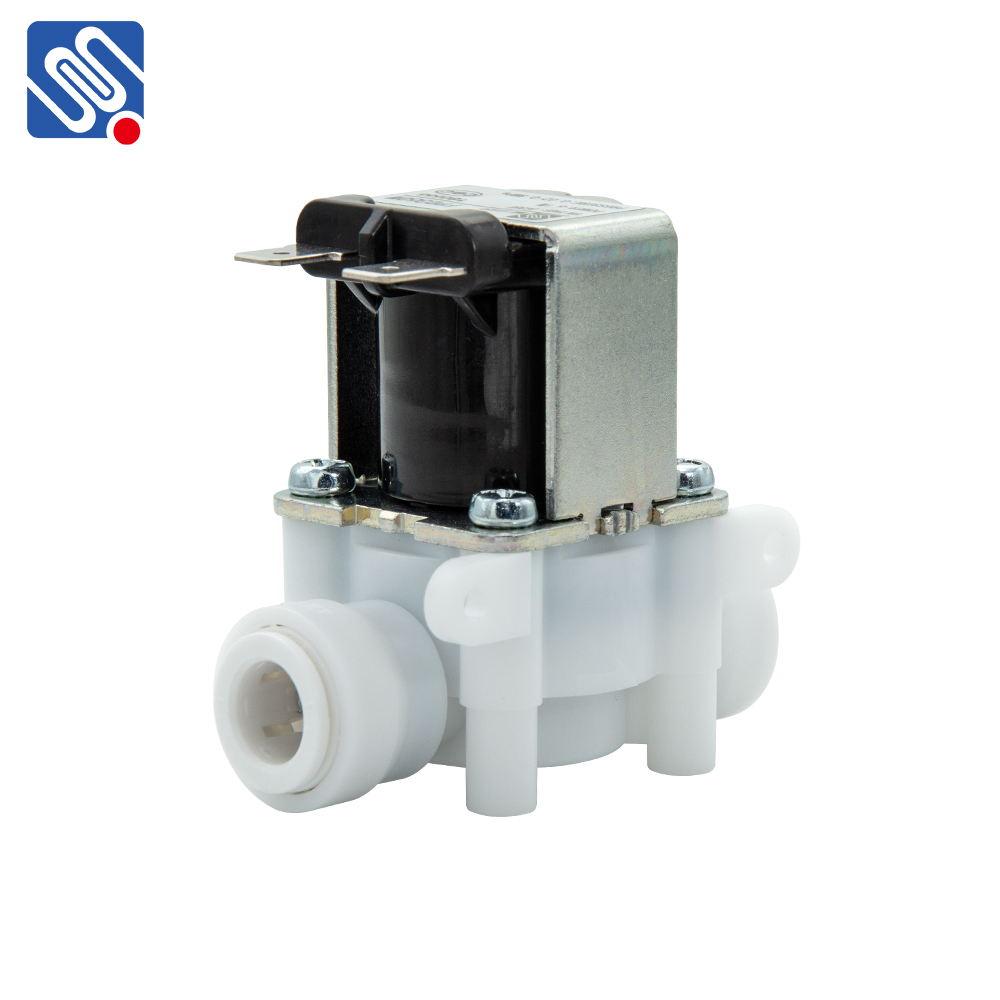
What is a Plastic Solenoid Valve? A plastic solenoid valve is a type of valve that utilizes an electromagnetic coil to control the flow of liquids or gases through a system. The primary difference between plastic solenoid valves and traditional metal solenoid valves is the material used for the valve body, which in this case is plastic. The most common materials for plastic solenoid valves include polypropylene (PP), polyethylene (PE), and fluoroplastics such as PTFE and PVDF. These materials provide excellent resistance to corrosion, making plastic solenoid valves ideal for handling aggressive chemicals, acidic or alkaline substances, and other harsh fluids.