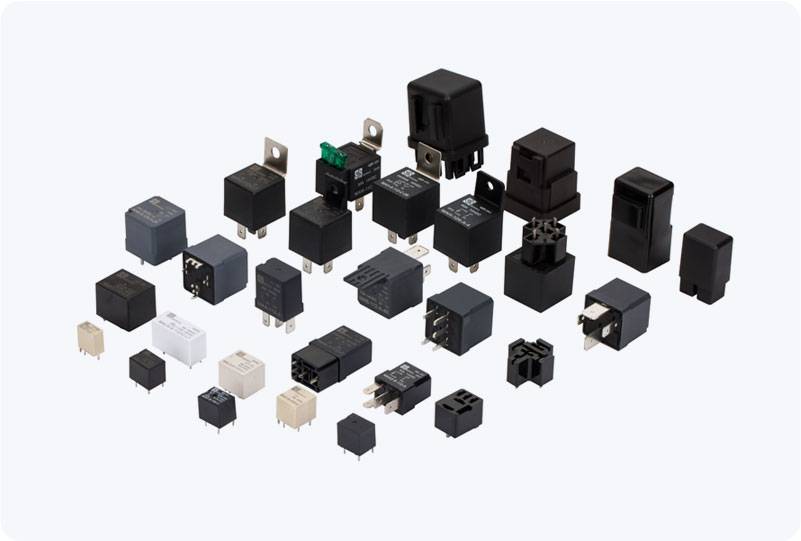
The Optocoupler Protected Relay Module is an essential electronic component used to isolate and protect circuits while enabling the control of high-voltage devices using low-voltage signals. Widely applied in automation systems, electrical protection, and low-voltage switch control, this module offers a reliable solution for enhancing the safety and efficiency of electrical systems.
Working Principle At the heart of the Optocoupler Protected Relay Module lies the combination of two key elements: the optocoupler and the relay. 1. The Optocoupler (Optical Isolator) The optocoupler serves as the fundamental component for electrical isolation between the control side and the load side of a circuit. It achieves this by transmitting electrical signals using light rather than a direct electrical connection. The optocoupler consists of an LED (light-emitting diode) and a photodetector (such as a phototransistor or photodiode) enclosed in one package. When current flows through the LED, it emits light, which activates the photodetector, thus allowing the signal to pass through without direct electrical contact between the two sides.