Lock out equipment is an essential safety measure in various industries to ensure the protection of workers during maintenance, repair, or servicing of machinery and equipment. The process involves shutting down equipment and physically locking it out to prevent accidental startup or the release of hazardous energy. This critical procedure not only ensures the safety of maintenance personnel but also promotes a culture of safety and responsibility within the workplace. In this article, we will explore the importance of lock out equipment, the key components involved, and how it contributes to workplace safety.
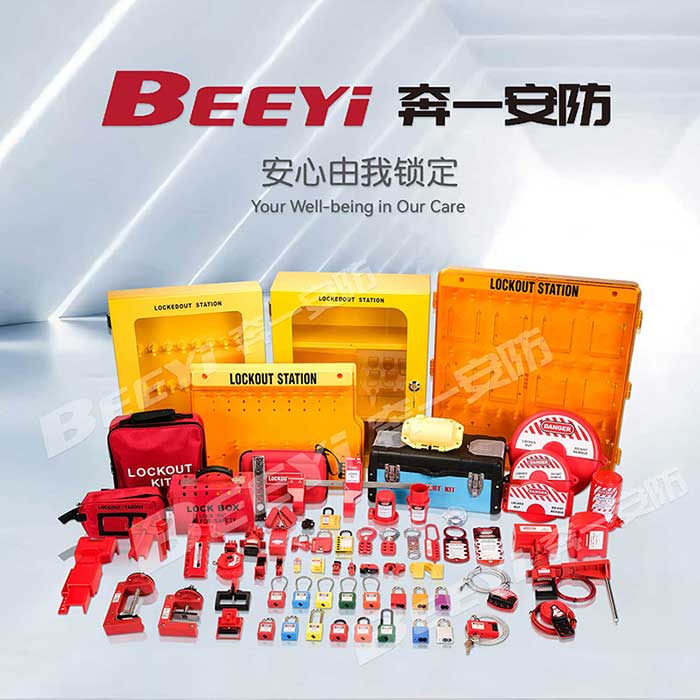
What is Lock Out Equipment? Lock out equipment refers to the tools and devices used to isolate energy sources, such as electricity, gas, steam, or mechanical power, from equipment during maintenance or repair work. The objective is to prevent accidental startup or the release of hazardous energy that could potentially harm workers. Lockout procedures are generally applied to equipment with potentially dangerous energy sources, such as industrial machinery, electrical circuits, boilers, and production lines. A typical lockout procedure involves disconnecting the energy source, securing it with a lock or other locking device, and then placing a tag or label to warn others that the equipment is being worked on. The lock and tag serve as a visual reminder that the equipment is inoperable and that work is being performed, ensuring that no one unknowingly activates the equipment.