Relays are electromechanical devices that play an essential role in controlling and switching electrical circuits. They are widely used in various applications, from automotive systems to industrial automation and consumer electronic devices. As with any component in an electronic system, understanding the lifespan of a relay is crucial for ensuring reliability, performance, and safety. The relay lifespan may refer to both the mechanical and electrical endurance of the device, and several factors can influence how long a relay operates effectively.
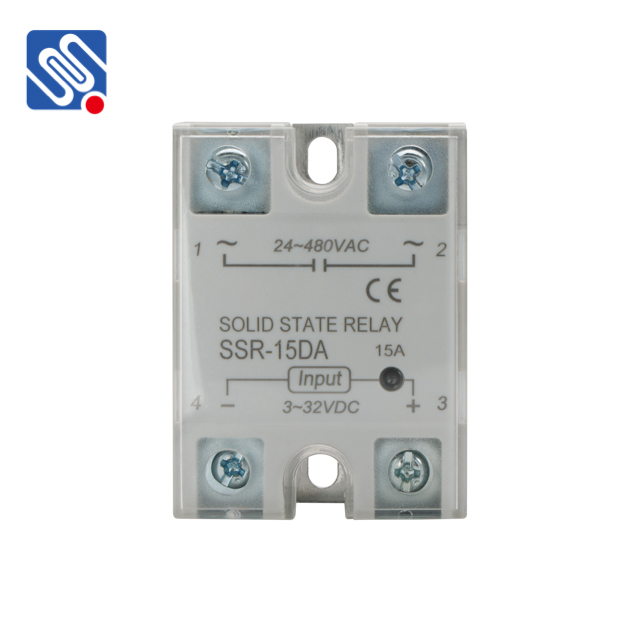
Mechanical Lifespan vs. Electrical Lifespan Relay lifespan can be categorized into two main types: mechanical lifespan and electrical lifespan. Mechanical lifespan refers to the number of operations a relay can perform without load. It indicates how many times the mechanical components of the relay, such as the armature and springs, can operate under normal conditions before wearing out. High-quality relays can often endure millions of mechanical cycles, making them suitable for applications where frequent switching is required. On the other hand, electrical lifespan is a measure of how long a relay can operate under load conditions. This lifespan is significantly influenced by the type of load being switched, such as resistive, capacitive, or inductive loads. Inductive loads, which create a magnetic field that can cause voltage spikes when switched off, tend to shorten the electrical lifespan of relays. For instance, a relay designed for switching resistive loads may last significantly longer than one used for inductive loads. Manufacturers typically provide specifications that indicate the expected electrical lifespan under various load conditions, helping designers choose the appropriate relay for their specific applications.