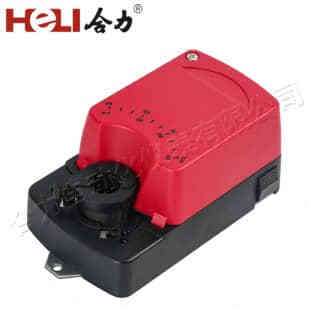
A damper actuator is a crucial component used in various mechanical and HVAC systems to control the movement of dampers. Dampers are devices that regulate airflow, pressure, or temperature within a system, and the damper actuator ensures that these dampers operate efficiently and effectively. This article delves into the function, types, working principles, and applications of damper actuators, emphasizing their importance in maintaining optimal performance in air handling and control systems.
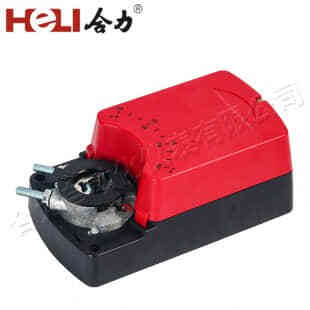
What is a Damper Actuator?
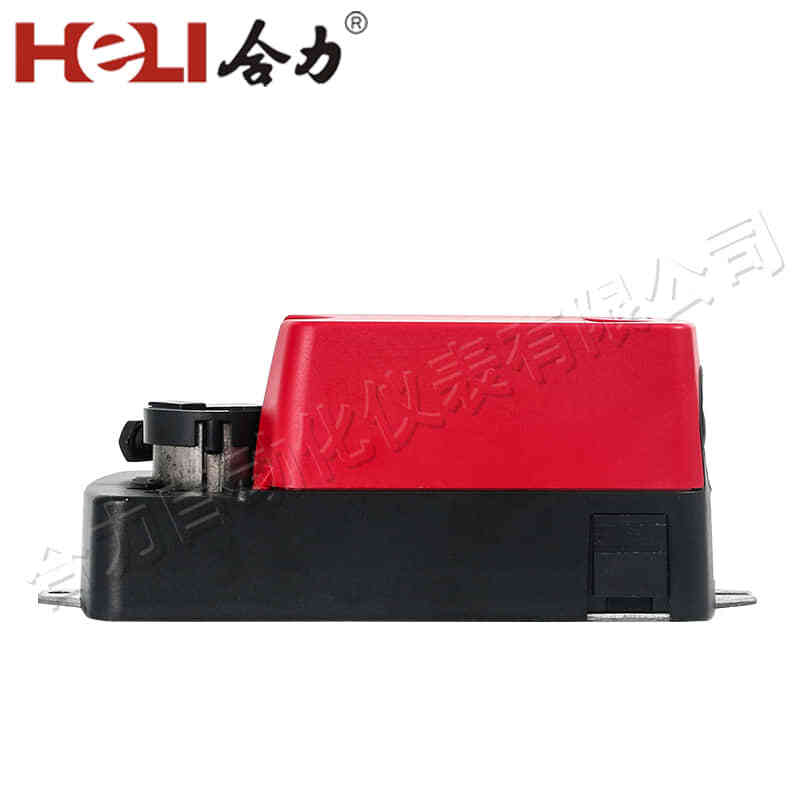
A damper actuator is an electromechanical device that is responsible for opening, closing, or adjusting the position of a damper in response to control signals from a system. These actuators are typically used in ventilation systems, heating, ventilation, and air conditioning (HVAC) systems, and industrial applications where the regulation of airflow and pressure is critical. The actuator applies the necessary force to the damper, ensuring the system operates within specified parameters. Dampers themselves are installed in ducts, air handling units, and chimneys to control airflow and prevent backdrafts. The damper actuator makes sure that the damper moves precisely to control the airflow, optimize energy efficiency, and meet safety standards.