Solenoid valves are essential components in various industries, controlling the flow of liquids or gases through pipelines. These valves utilize an electromagnetic solenoid to open or close the valve, ensuring precise control over the medium in the system. Among the many types of solenoid valves, Stainless Steel and Plastic Solenoid Valves stand out due to their distinct properties, advantages, and suitable applications. In this article, we will explore the key differences between these two types of solenoid valves and the factors that influence their selection in industrial systems.
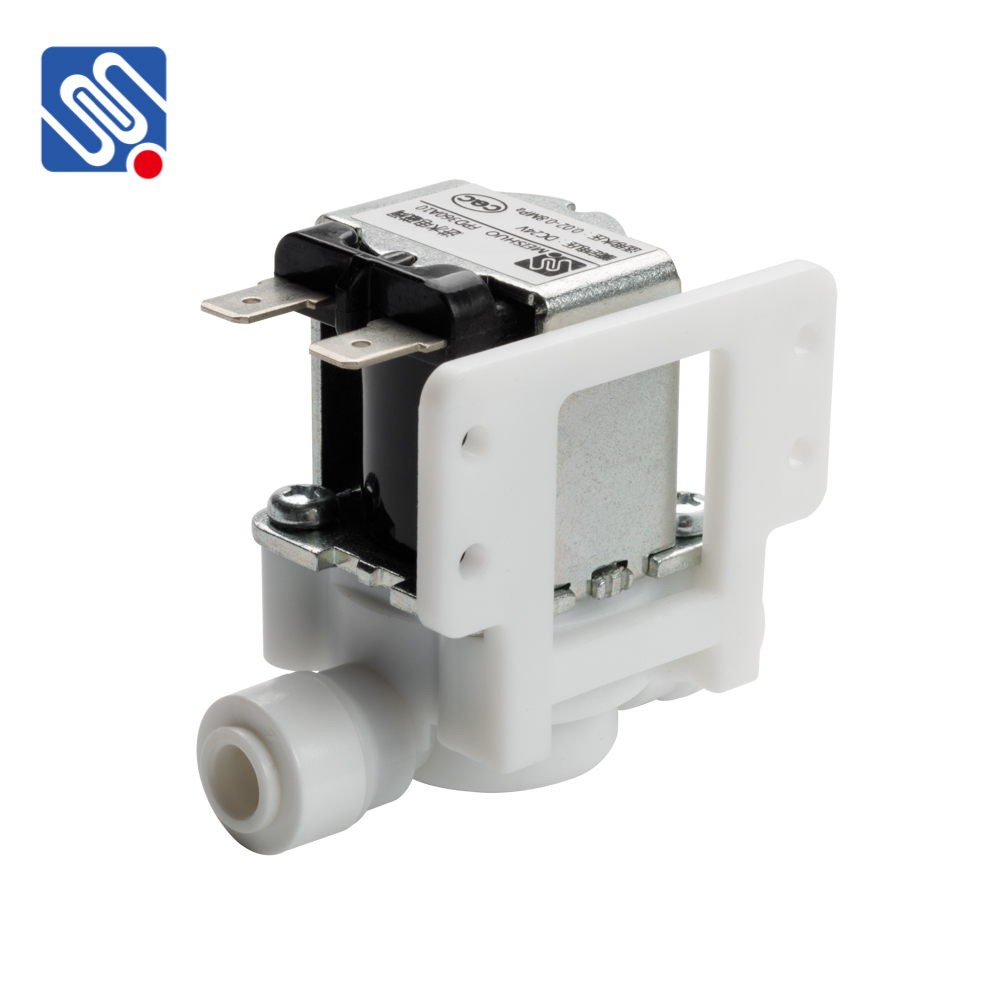
1. Material Composition and Durability The primary difference between stainless steel and plastic solenoid valves lies in the material used in their construction. Stainless Steel Solenoid Valves are made from high-grade stainless steel alloys, known for their exceptional resistance to corrosion, rust, and wear. This makes them ideal for use in harsh environments, such as chemical processing, food and beverage production, and petrochemical industries. Stainless steel is also more durable and stronger, able to withstand high-pressure and high-temperature conditions, making it the go-to choice for heavy-duty applications. Additionally, stainless steel valves can tolerate aggressive chemicals and extreme environmental conditions without compromising their performance.