In many industrial environments, safety is of paramount importance. Whether working in manufacturing, chemical processing, or any field that involves machinery and automated systems, ensuring that equipment is safely locked out during maintenance or repair work is critical. Pneumatic lockouts are an essential part of workplace safety, especially when it comes to controlling pneumatic systems. These devices are designed to prevent accidental release of pressurized air, preventing machinery from unexpectedly starting up and protecting workers from harm.
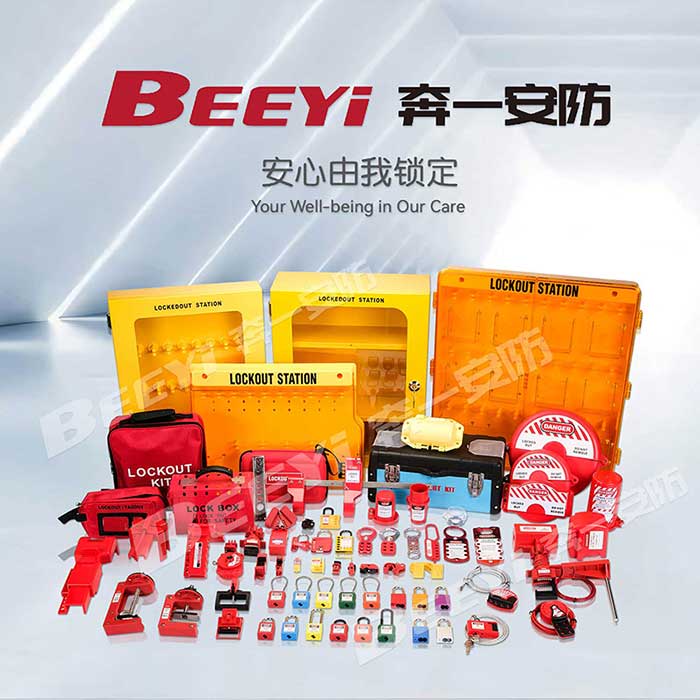
What Are Pneumatic Lockouts? Pneumatic lockouts are safety devices used to lock the valves or other control elements in a pneumatic system, preventing the accidental release of compressed air while maintenance is being performed. These lockout devices are usually attached to pneumatic control valves, air supply lines, or pressure regulators to ensure that no air pressure is released until the work is complete and the lock is removed. In essence, pneumatic lockouts are part of the broader lockout/tagout (LOTO) procedures, which are used across various industries to control hazardous energy during maintenance activities. Lockout/tagout is a safety standard aimed at preventing workers from being injured by unexpected machine startups, electrical shock, or the release of stored energy.