Latching relays, also known as bistable relays, are a unique type of electrical relay that provide the ability to “latch” or hold a state after being activated, even when power is no longer applied. Unlike traditional relays, which require continuous power to maintain their position, latching relays only use energy to switch between two states—making them ideal for energy-efficient applications. This feature has led to their widespread adoption in various fields, including automation, consumer electronics, and power management systems.
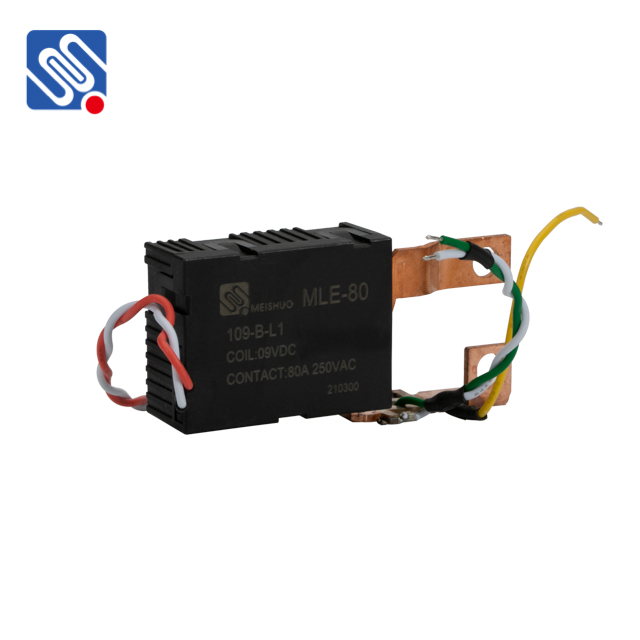
What is a Latching Relay? A latching relay is an electromechanical device that is designed to hold its state without the need for continuous power. It has two stable positions: one when it is energized and another when it is de-energized. When power is applied to a latching relay, it “latches” into one position, and it will remain in that state until it is triggered again to switch to the other position. The key difference between a latching relay and a regular relay lies in the way they operate. Regular relays require constant current to keep the contacts in their activated position, whereas latching relays only consume power momentarily when switching between states. This feature is especially useful for applications where power consumption is a critical concern.
Leave a Reply