Lockout Hasps are critical safety tools used in various industrial settings to prevent the accidental release of hazardous energy during maintenance or repair activities. They play an essential role in ensuring that workers remain safe from injuries caused by the unintended start-up of machines, electrical systems, or other equipment during service. By adhering to a lockout/tagout procedure, Lockout Hasps are pivotal in safeguarding the health and well-being of employees and minimizing potential damage to machinery.
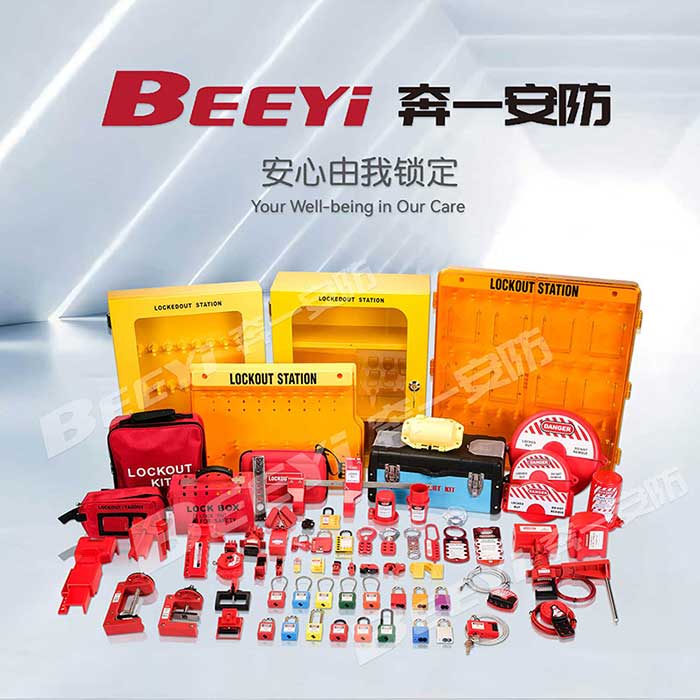
What is a Lockout Hasps? A Lockout Hasps is a device designed to lock out energy sources or hazardous equipment to ensure they are de-energized and cannot be activated during maintenance or repair. Typically made from durable metal or plastic, Lockout Hasps come with multiple locking holes that allow different personnel to secure the same machine with their individual locks. This guarantees that no one can operate the machine or equipment while it is being worked on, thereby ensuring multiple workers’ safety. The Importance of Lockout/Tagout (LOTO) Procedures Lockout Hasps are primarily used as part of the Lockout/Tagout (LOTO) safety procedures, which are mandated by OSHA (Occupational Safety and Health Administration) regulations in many countries. The purpose of LOTO is to prevent the accidental release of hazardous energy—whether electrical, mechanical, hydraulic, or thermal—during maintenance or repair activities.