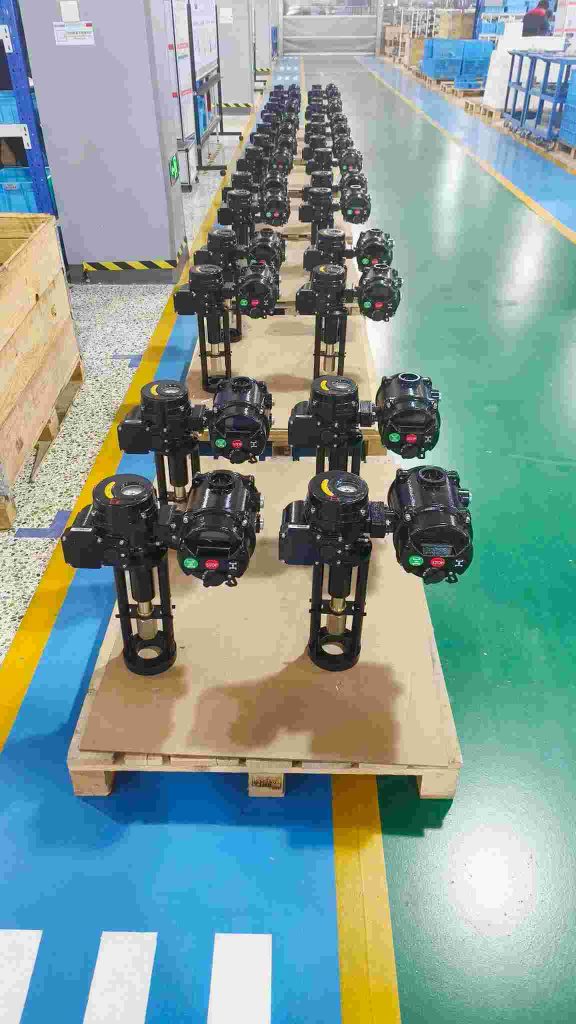
Intelligent integrated electric actuators (IIEAs) are at the forefront of modern automation and robotics, combining high-tech electric actuation with intelligent control systems in a single, compact unit. These actuators offer more than just mechanical movement; they deliver precise control, efficiency, and adaptability to meet the demands of increasingly sophisticated industrial and technological applications. In this article, we will explore the working principles, advantages, and diverse uses of intelligent integrated electric actuators.
What is an Intelligent Integrated Electric Actuator?
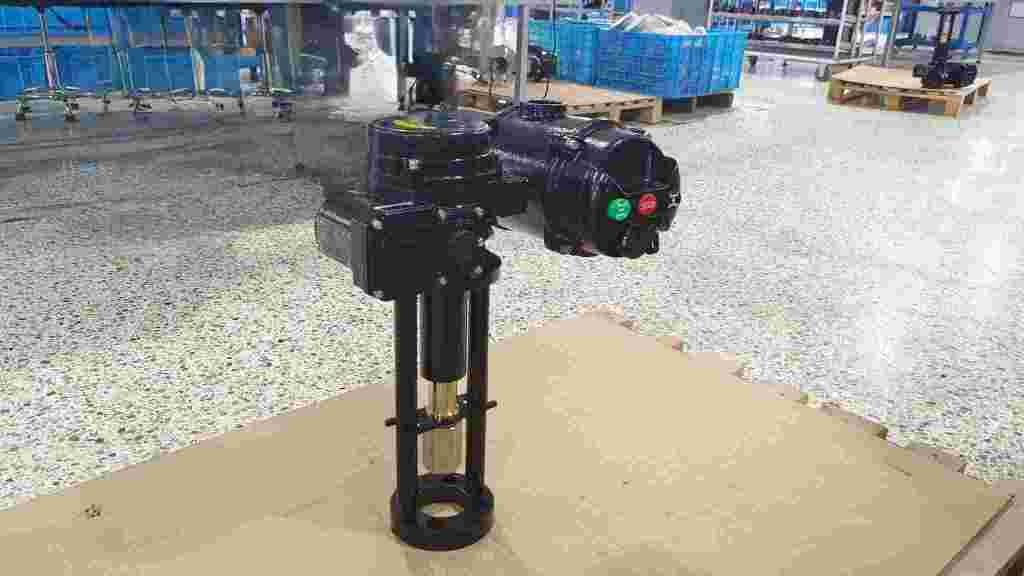
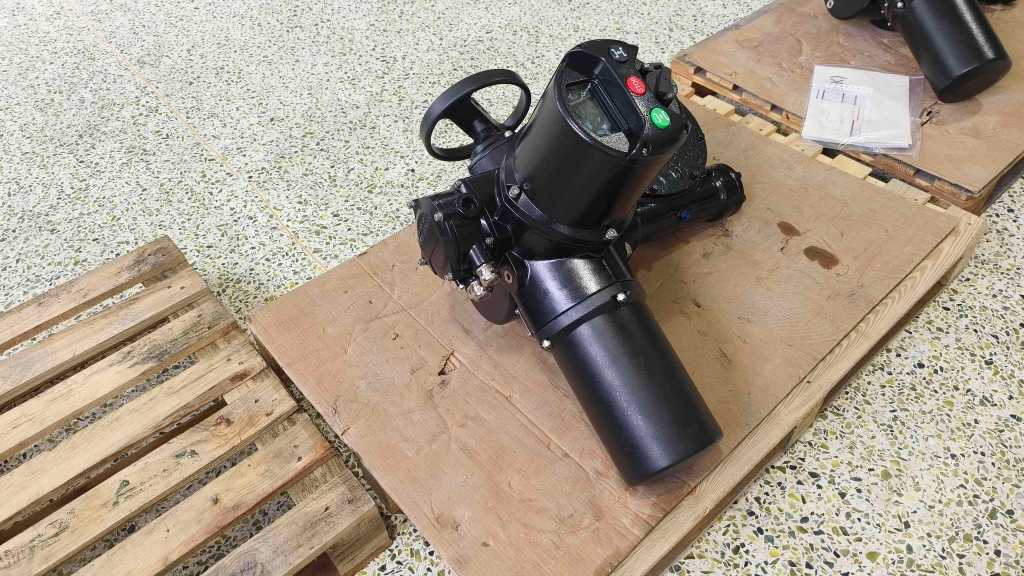
At its core, an intelligent integrated electric actuator is a device that converts electrical energy into mechanical motion. Unlike traditional actuators, which rely on separate motor, controller, and sensor systems, IIEAs integrate all these components into a unified design. This includes electric motors for actuation, sensors for feedback, and control systems to process the information and adjust performance accordingly. The intelligent aspect of these actuators stems from their ability to self-regulate based on real-time data from sensors that monitor parameters such as position, force, and velocity. These systems are typically powered by electric power sources, either DC or AC, depending on the application. The integration of both the actuation and control functions into one unit helps streamline the design of various automated systems and machinery.