Automatic relays play a crucial role in the operation of electrical systems, offering a level of automation and protection that is indispensable in both industrial and residential applications. From providing overload protection to enabling automated control, these devices are fundamental in ensuring the safety, efficiency, and reliability of modern electrical equipment. In this article, we will explore the functionality, types, and applications of automatic relays, shedding light on their importance in everyday electrical circuits.
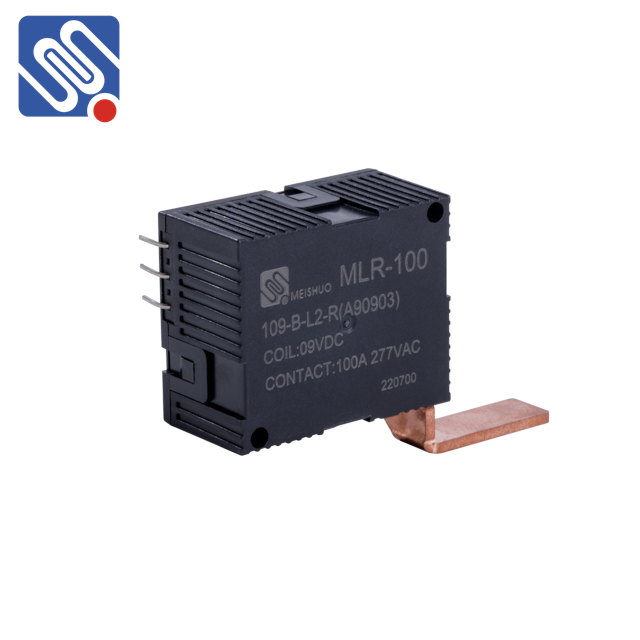
What is an Automatic Relay? An automatic relay is an electromechanical device used to control the opening and closing of electrical circuits automatically. It operates based on specific conditions, such as changes in voltage, current, or temperature. When a predefined condition is met, the relay triggers a switch, either opening or closing the circuit, depending on the desired outcome. This makes automatic relays vital for the automation of electrical systems, providing protection and control without the need for manual intervention. At its core, a relay consists of a coil that generates a magnetic field when energized. This magnetic field pulls or releases a switch, controlling the flow of electricity. While the relay itself is typically small, it can control much larger currents or voltages, making it a key component in a variety of electrical applications.