In the world of electrical engineering, relays play a critical role in controlling circuits, ensuring proper function, and protecting electrical systems from potential damage. Given the risks associated with high voltages and currents, relay safety features are essential in preventing hazards like short circuits, overloads, and equipment damage. In this article, we will explore the various safety features of relays that make them indispensable for reliable and safe electrical systems.
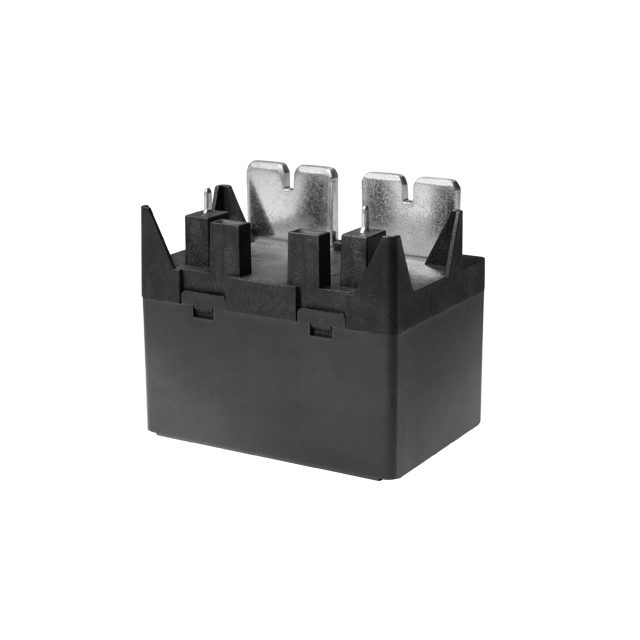
1. Overload Protection Overload protection is one of the most fundamental safety features found in many relays. Overload occurs when an electrical circuit carries more current than its rated capacity, which can lead to overheating, equipment failure, or even fires. Overload relays are designed to detect when the current exceeds a preset limit, automatically disconnecting the circuit to prevent damage. This feature is especially critical in motors and transformers, where excessive current can lead to insulation breakdown, permanent damage, or fire hazards. Overload relays often incorporate thermal elements that mimic the heat buildup caused by excessive current, triggering the relay to open the circuit once the temperature rises beyond a safe level.