An Overload Protection Relay is a crucial safety device used in electrical systems to prevent equipment from damage caused by excessive current. It monitors the current flow in circuits, especially in motors, and disconnects the power supply when the current exceeds a preset threshold. This feature helps protect electrical devices from prolonged overcurrent conditions, which could otherwise lead to overheating, component damage, or even catastrophic failure.
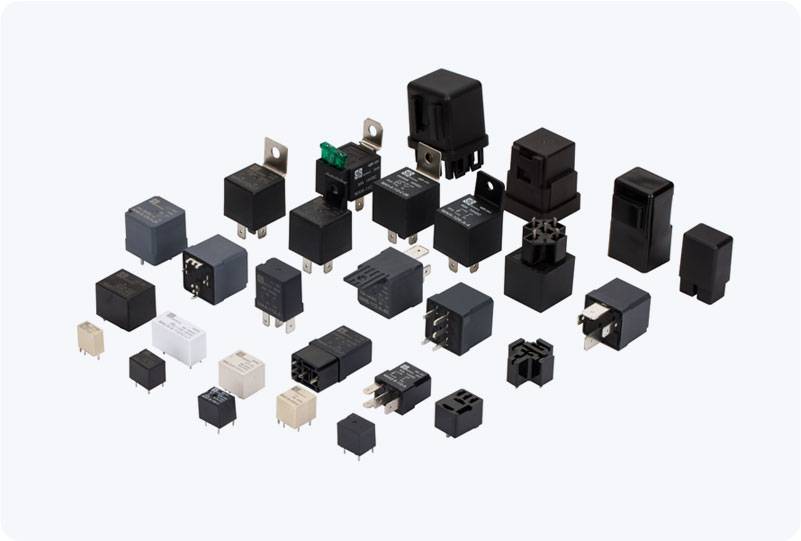
The Importance of Overload Protection Relays In industrial and commercial settings, electric motors are an essential part of operations. They power everything from HVAC systems to conveyor belts in manufacturing plants. However, motors are susceptible to damage when they experience excessive current for an extended period. This could happen due to mechanical overloads, sudden fluctuations in the load, or electrical faults. Without a proper protection mechanism, these conditions can cause motors to overheat, resulting in insulation breakdowns, reduced efficiency, or even motor burnout.
The Overload Protection Relay plays a significant role in safeguarding the motor and the overall electrical system by preventing these damages. When the current exceeds safe levels, the relay trips and disconnects the motor from the power source, preventing any potential harm. After the overload situation is resolved and the current returns to normal, the relay can reset, restoring the motor’s operation without any manual intervention.