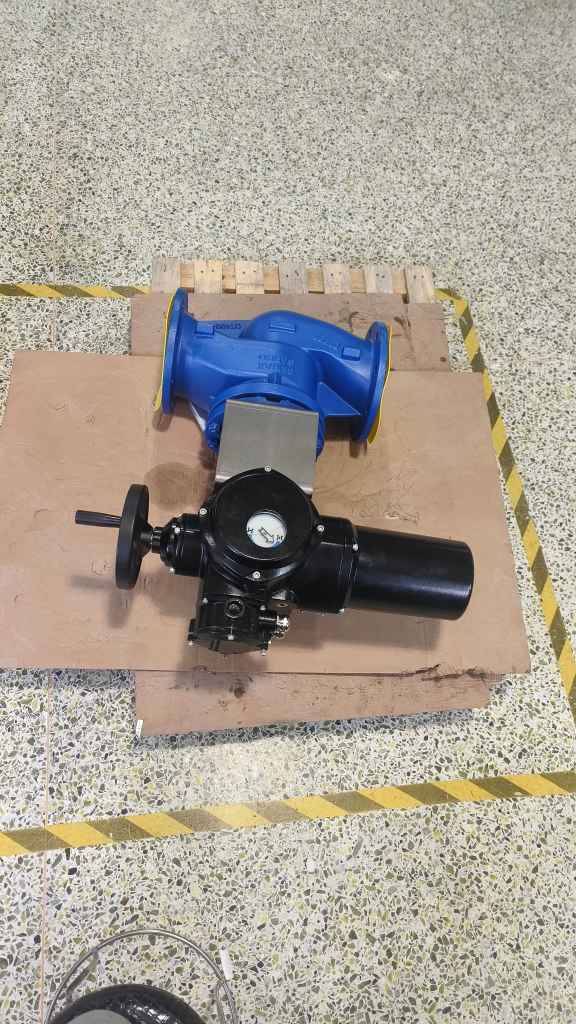
Hydrogen energy is emerging as one of the most promising solutions for the global shift towards clean and renewable energy sources. As industries look to tap into the vast potential of hydrogen as a fuel alternative, safety, and control mechanisms in hydrogen systems become increasingly crucial. Among these mechanisms, the hydrogen energy electric shut-off valve plays a vital role in ensuring the safe and efficient operation of hydrogen-based systems. This article explores the significance, design, applications, and safety features of the hydrogen energy electric shut-off valve.
What is a Hydrogen Energy Electric Shut-off Valve?
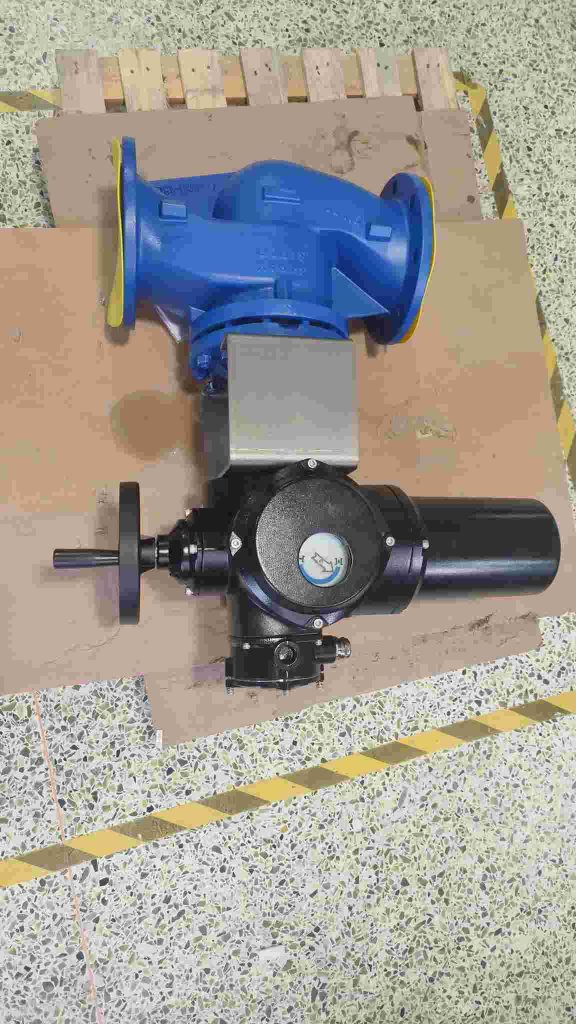
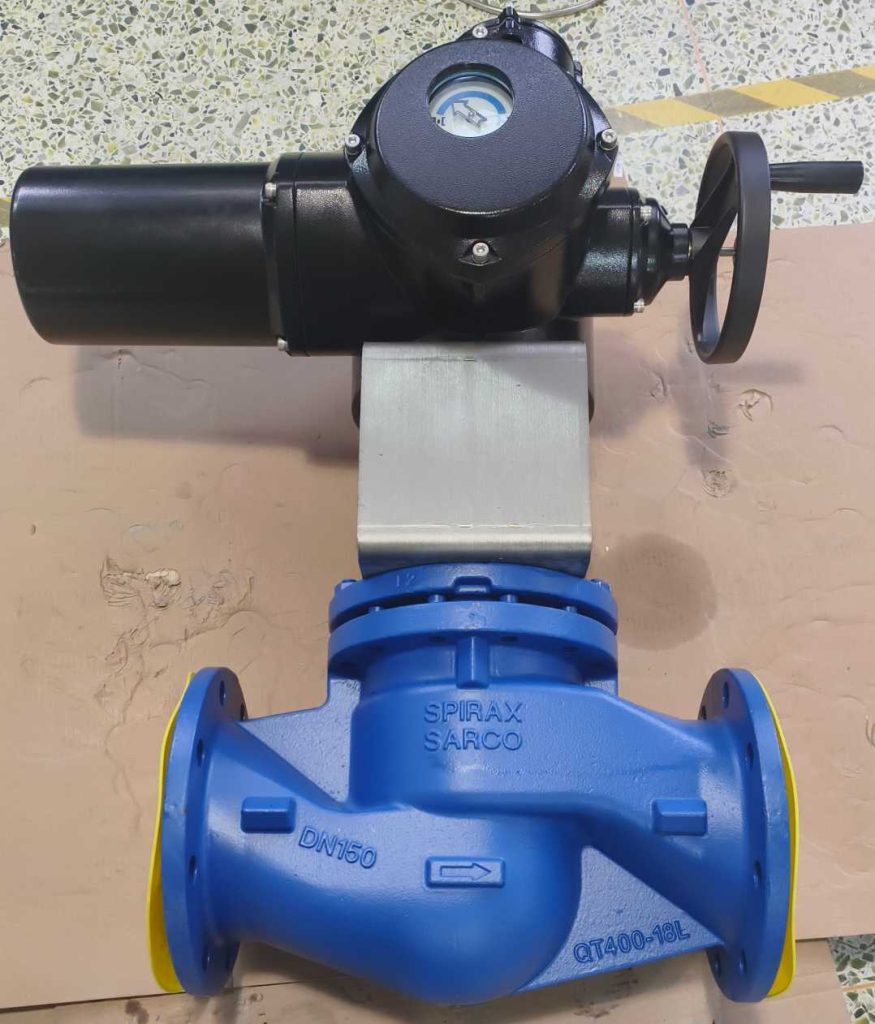
A hydrogen energy electric shut-off valve is a specialized valve designed to control or stop the flow of hydrogen gas within a system. Unlike manual valves, which require human intervention to open or close, electric shut-off valves are operated electronically. This allows for greater precision and integration into automated systems. These valves are essential in hydrogen energy applications, such as fuel cells, hydrogen storage tanks, refueling stations, and transportation systems, where controlling hydrogen flow and pressure is critical. Function and Operation of the Valve The primary function of a hydrogen energy electric shut-off valve is to shut off the flow of hydrogen gas when needed. This can occur during routine operations, emergency situations, or when maintenance is required. The electric actuation allows these valves to be controlled remotely via an electric signal, offering flexibility and integration with control systems.