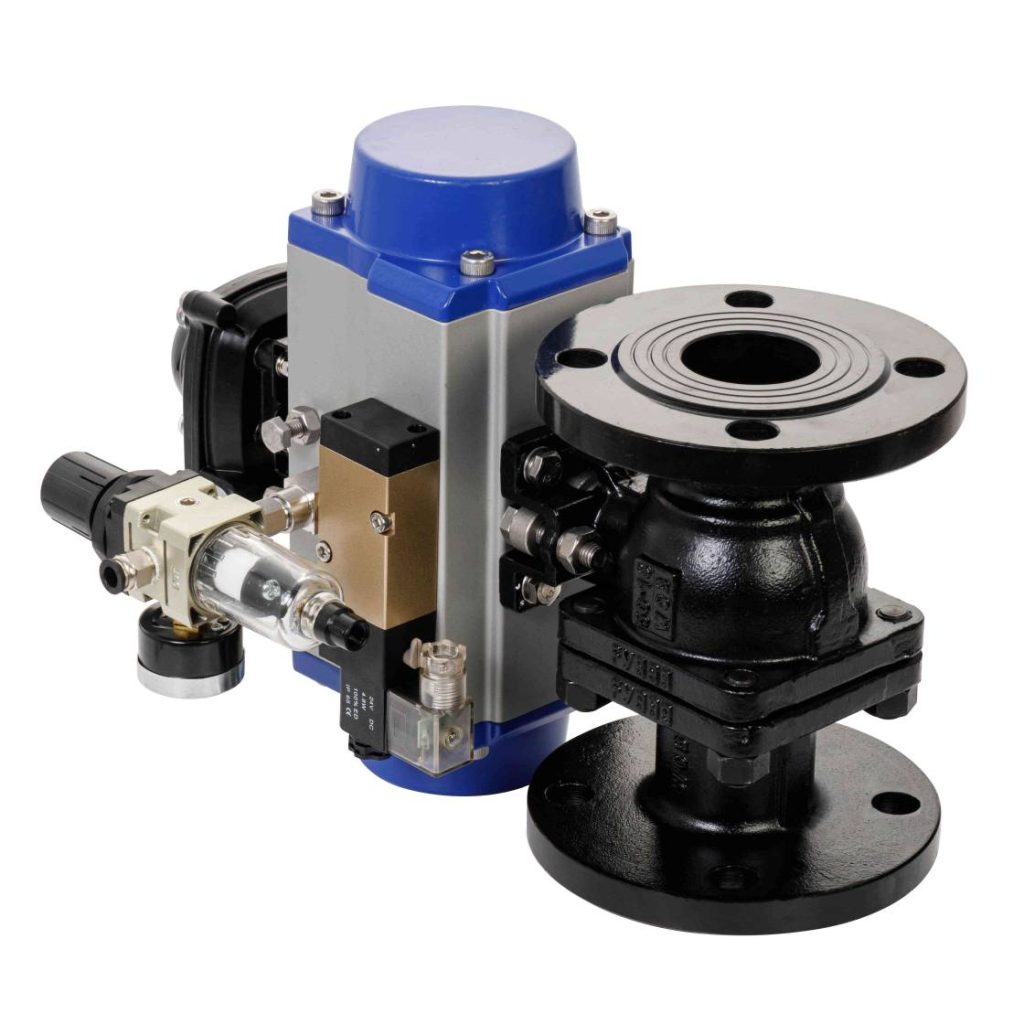
In the modern industrial world, precise and efficient fluid control is essential to maintaining the smooth operation of various processes. One of the most crucial components in fluid handling systems is the valve, and among the many types of valves available, the stainless steel pneumatic ball valve has emerged as a popular choice. This article will explore the design, advantages, applications, and maintenance of stainless steel pneumatic ball valves, highlighting why they are an optimal solution for many industries.
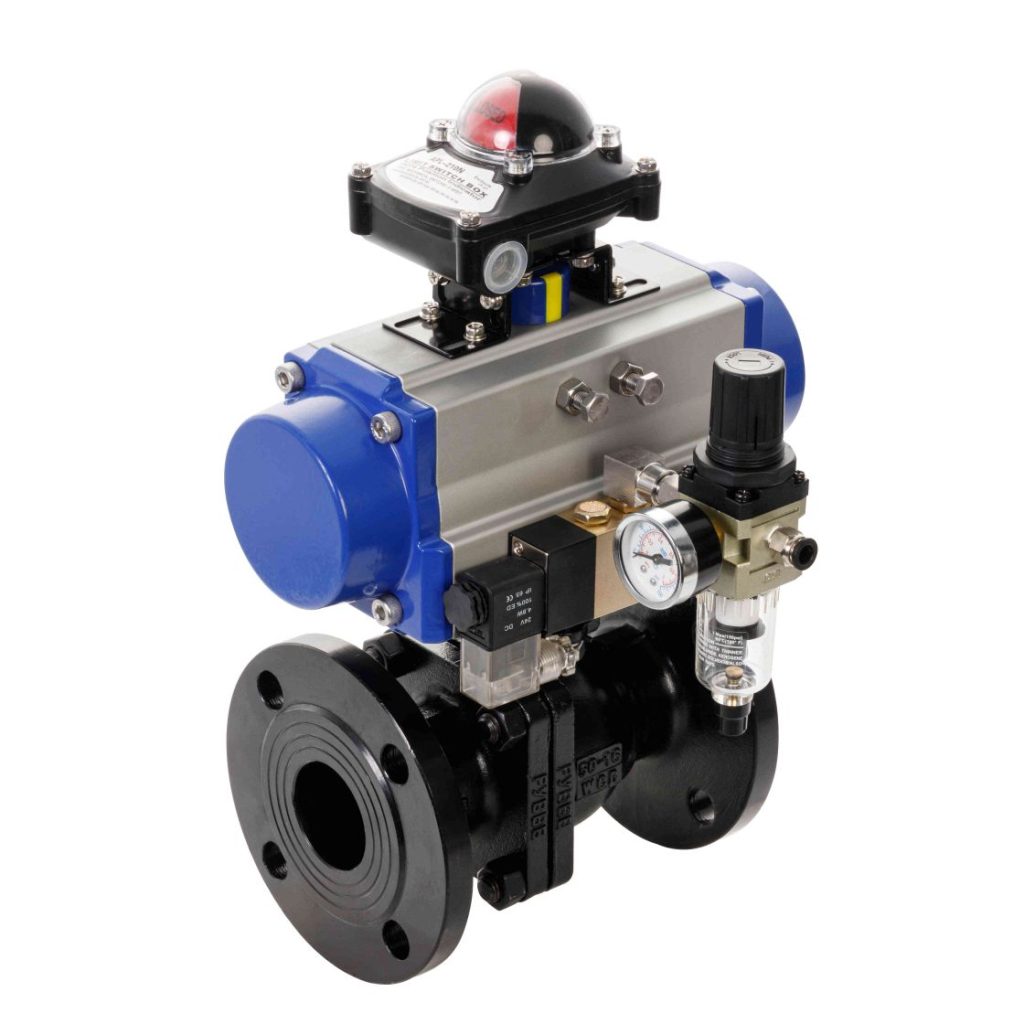
What is a Stainless Steel Pneumatic Ball Valve?
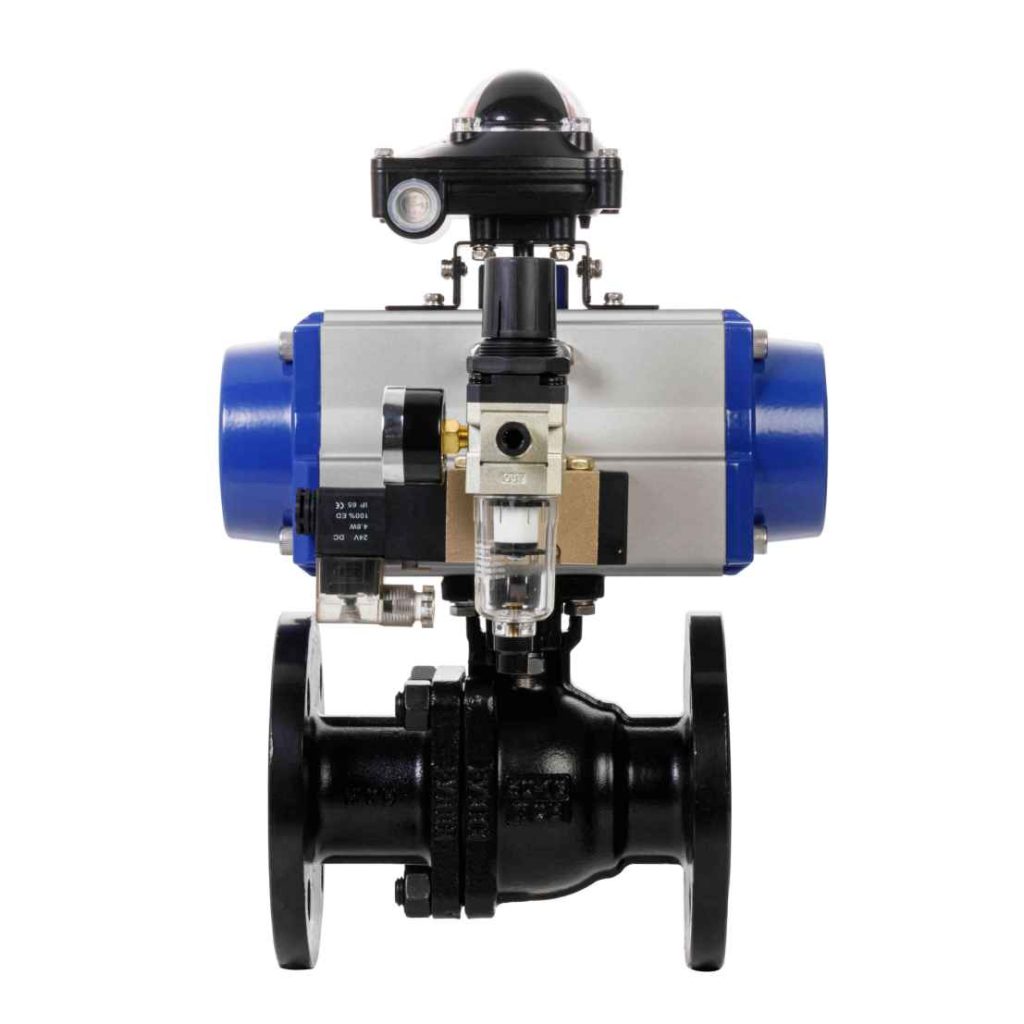
A stainless steel pneumatic ball valve is a type of valve that uses compressed air to open or close a ball with a hole or port through its center. This type of valve is typically operated by a pneumatic actuator, which converts air pressure into mechanical motion to turn the ball and control the flow of fluid. Made from stainless steel, these valves are known for their strength, durability, and resistance to corrosion, making them ideal for a wide range of applications. Key Features and Design The primary feature of a pneumatic ball valve is the ball itself. The valve consists of a hollow, perforated ball placed inside the valve body. When the valve is open, the hole in the ball aligns with the pipeline, allowing fluid to flow through. When the valve is closed, the ball rotates so that the hole is perpendicular to the flow, blocking the fluid’s passage.