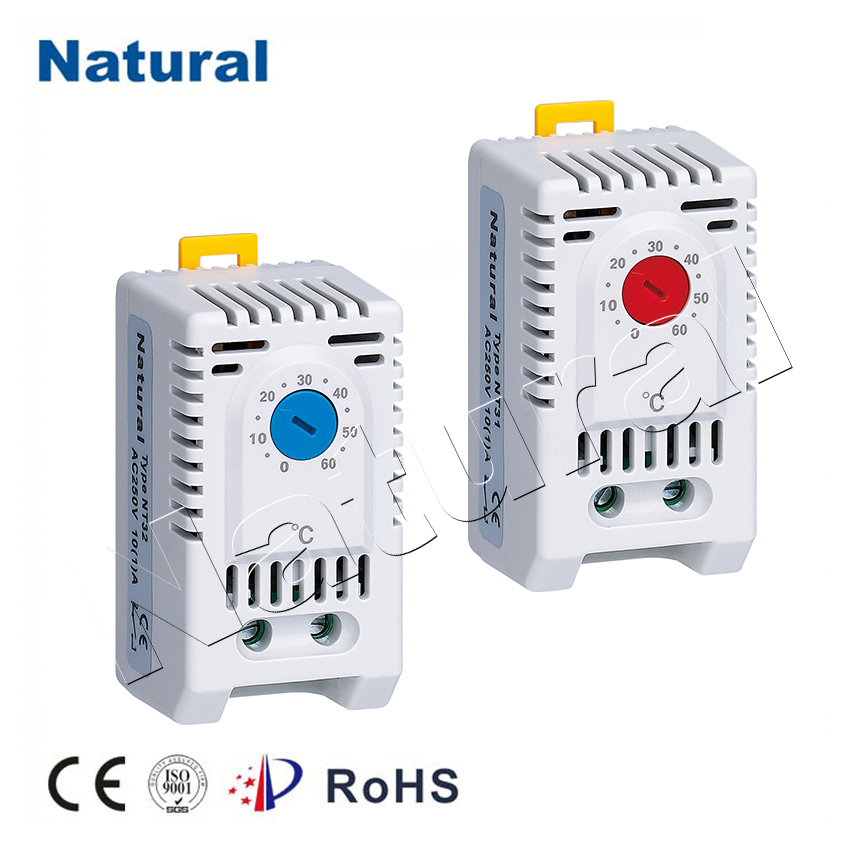
In the realm of industrial automation, energy efficiency, and precise control, thermostats play an essential role in maintaining optimal system conditions. Among various types of thermostats, the DIN thermostat stands out for its reliability, versatility, and standardized design. The DIN (Deutsches Institut für Normung, or German Institute for Standardization) thermostat adheres to the international DIN standards, ensuring consistent performance across different applications and industries. This article explores the features, benefits, and common uses of DIN thermostats in modern systems.
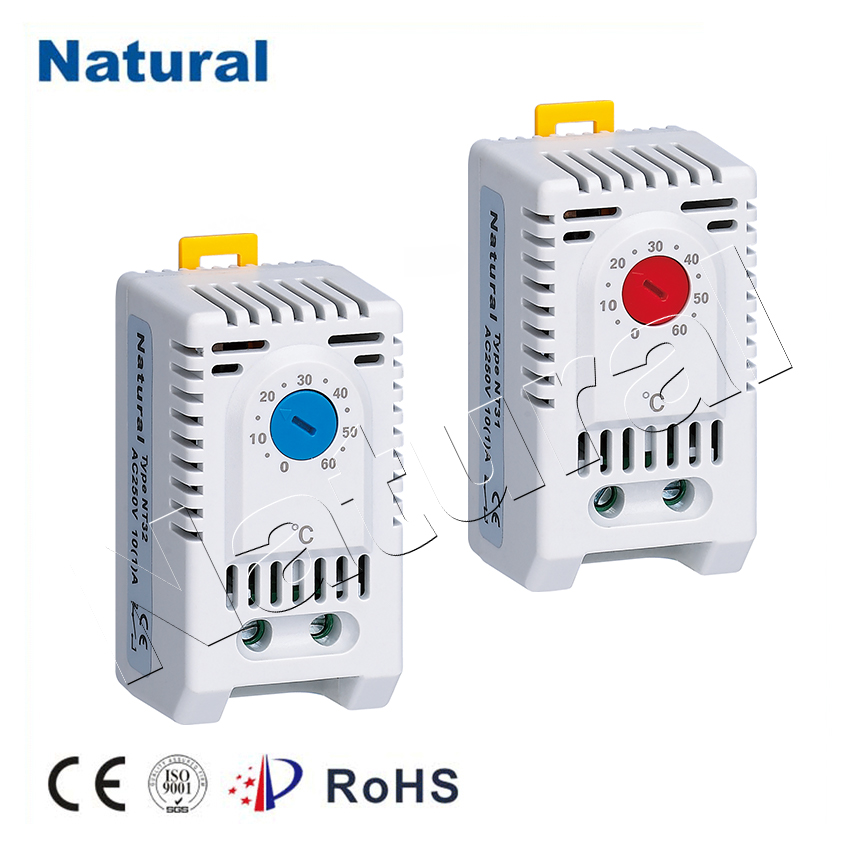
What is a DIN Thermostat?
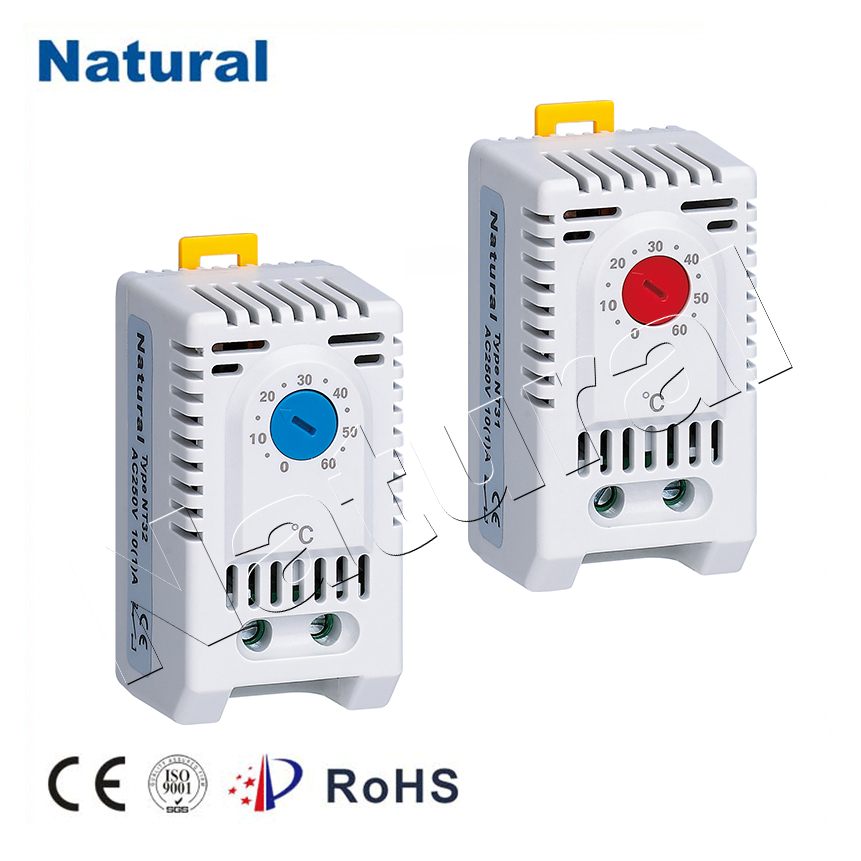
A DIN thermostat is a type of temperature control device designed to fit into DIN rails—metal tracks used for mounting electrical components in control panels. These thermostats are used to monitor and regulate the temperature of electrical and mechanical systems. Typically found in industrial settings, they control heating, cooling, and ventilation systems, making them critical for ensuring the proper functioning of machinery and electronic components. The DIN thermostat can be found in various forms, including mechanical, digital, and programmable models, each catering to specific needs depending on the complexity of the systems they regulate. The standardized design of the DIN thermostat makes it easy to integrate into existing control systems, offering compatibility with a wide range of equipment.