In the era of smart homes and the Internet of Things (IoT), automation has become an integral part of our daily lives. Among the various technologies that enable smart automation, Zigbee stands out as one of the most efficient wireless communication protocols. The Zigbee Relay Module is a key component that facilitates the seamless control of electrical devices in smart environments. This article delves into the role and applications of Zigbee Relay Modules, exploring how they are revolutionizing home automation, industrial applications, and beyond.
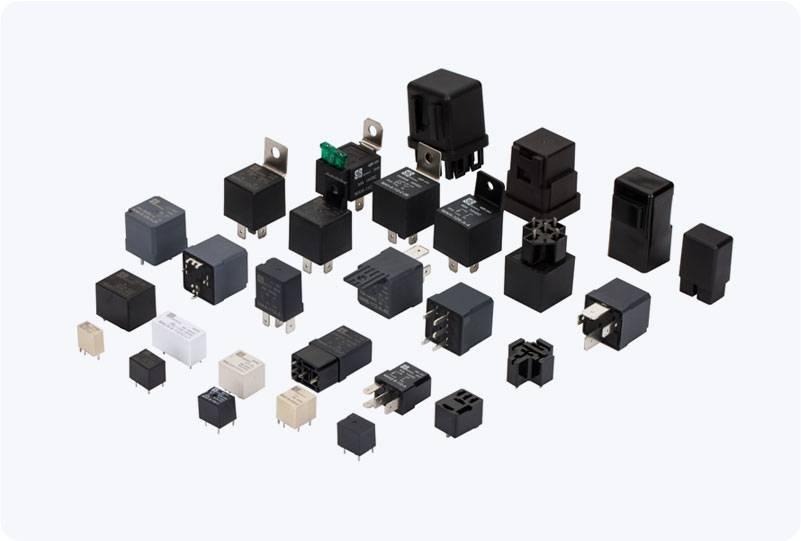
What is a Zigbee Relay Module? A Zigbee Relay Module is a device that uses Zigbee wireless communication to control electrical circuits by opening or closing relays. It operates within a Zigbee network, which is a low-power, short-range communication protocol designed for IoT applications. The Zigbee protocol enables reliable communication between devices over a mesh network, where each device can forward messages to extend the range and reliability of the network. The Zigbee Relay Module typically consists of a relay, which is an electrically operated switch, and a Zigbee transceiver that allows it to communicate wirelessly. By receiving commands from a Zigbee controller or smart device, the relay module can switch on or off connected devices like lights, fans, or other electrical appliances.