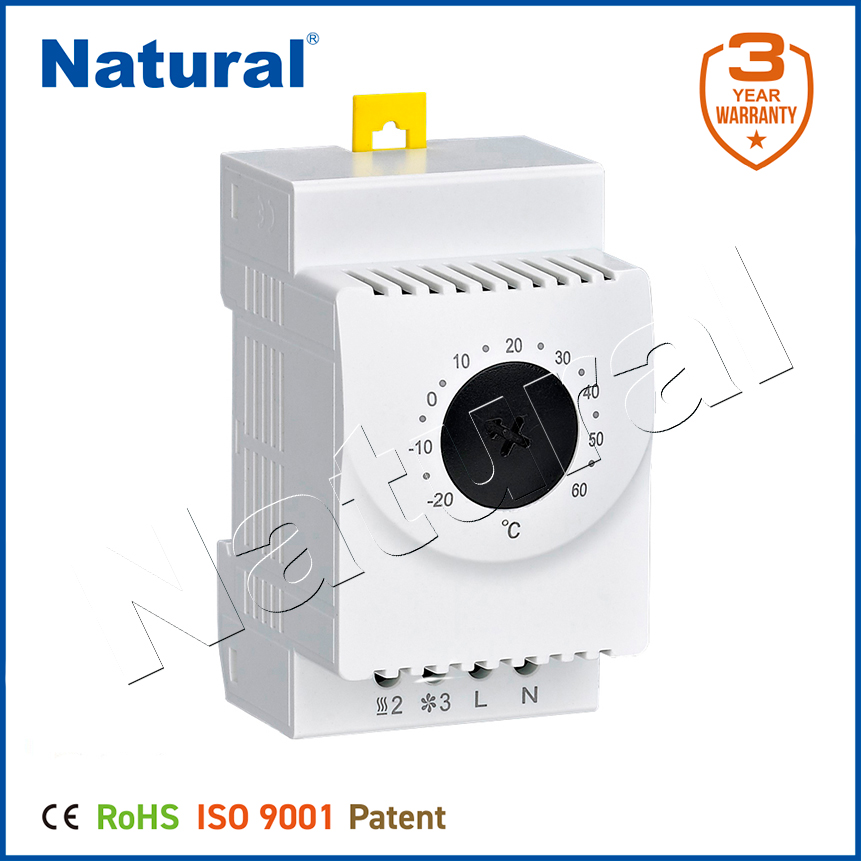
An electronic thermostat is an innovative device that has become an essential component in modern homes and commercial spaces. Unlike traditional mechanical thermostats, which rely on analog components, electronic thermostats use digital technology to precisely monitor and regulate temperature. With their advanced features, electronic thermostats offer a higher degree of accuracy, energy efficiency, and user convenience. In this article, we’ll explore the key features of electronic thermostats, how they work, and the advantages they bring to both residential and commercial environments.

What is an Electronic Thermostat?
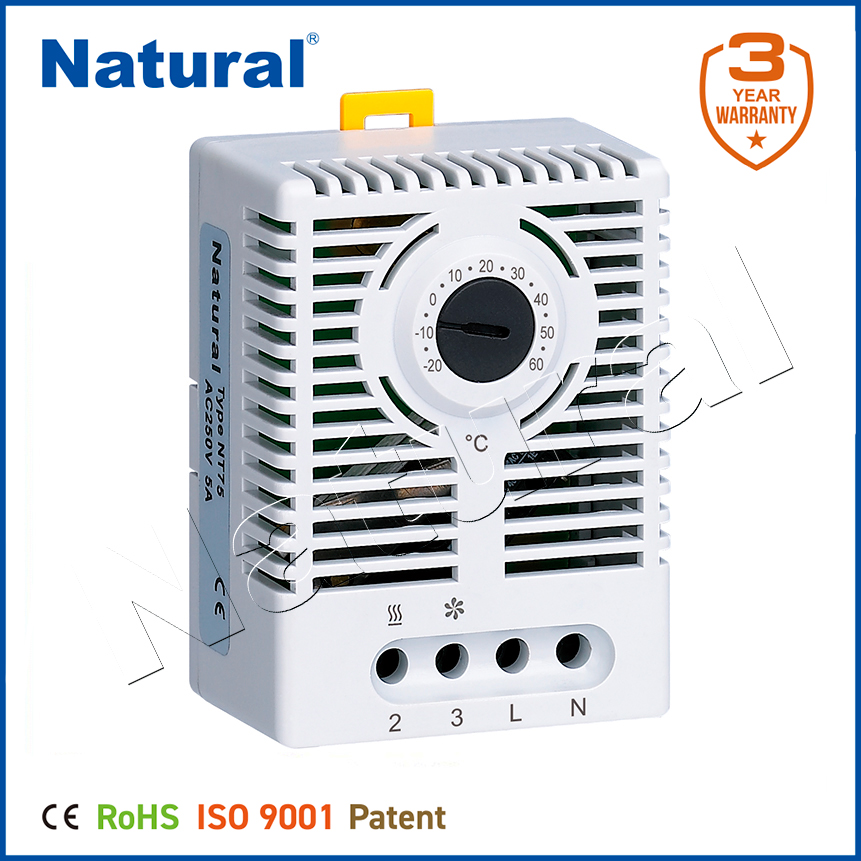
At its core, an electronic thermostat is a device designed to control the temperature of a heating, ventilation, and air conditioning (HVAC) system. It works by sensing the temperature in the room and adjusting the HVAC system accordingly to maintain a set temperature. Unlike traditional mechanical models that rely on bimetallic strips and mechanical contacts, electronic thermostats use digital sensors, microprocessors, and often include a user-friendly interface like an LCD screen or touchscreen. Key Features and Functionality Precise Temperature Control Electronic thermostats offer much greater accuracy compared to mechanical ones. They can detect small fluctuations in temperature, typically within a 0.5°C or 1°F range, which ensures a more consistent and comfortable environment. This precision minimizes the risk of overheating or underheating, which can often be a problem with older mechanical models.